
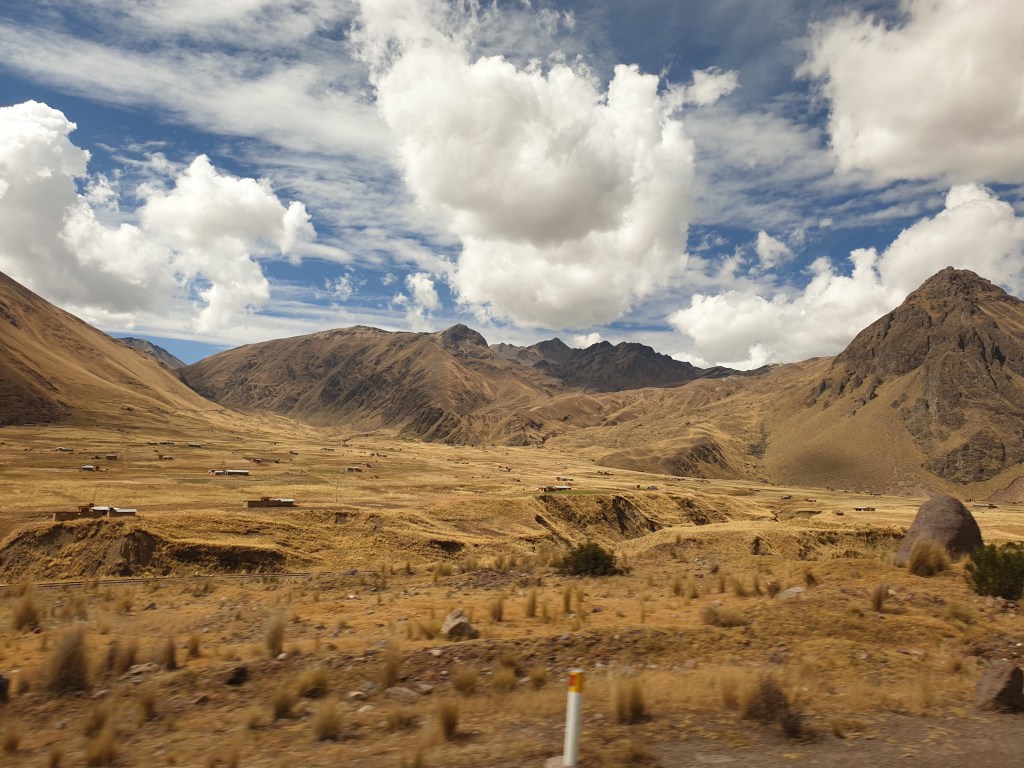
The next and final part of our Peruvian journey saw us bus it south, headed for the lakeside city of Puno. I can’t skip out on some of the impressive scenery along the way though.
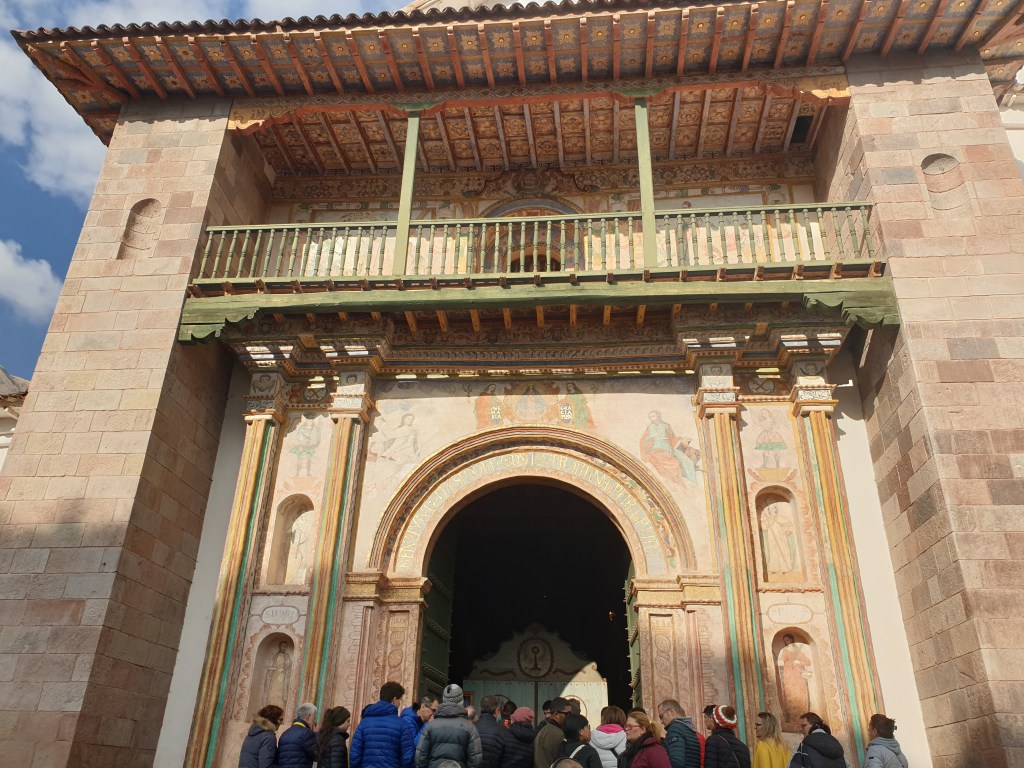
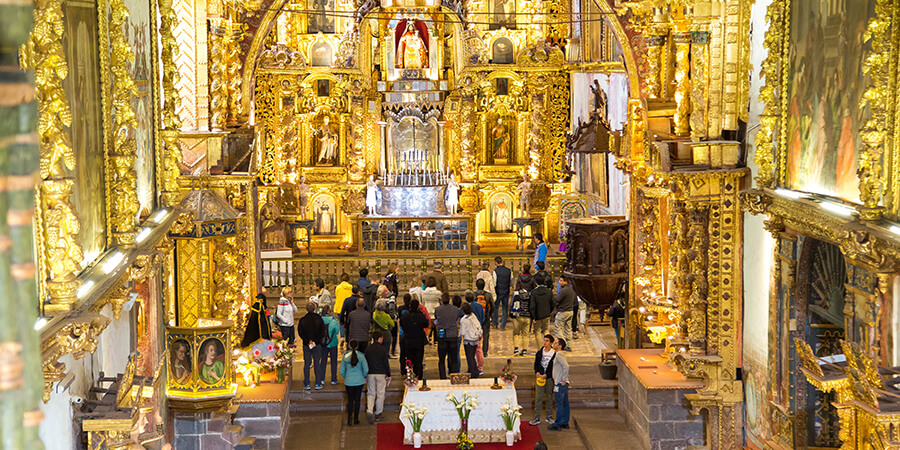
Our Inka Express bus took us to all sorts of sights, the first of these being the Church of Saint Peter the Apostle in Andahuaylillas. Unassuming on first glance, take a step inside and you’ll see walls laced with gold and beautiful artwork, garnering this church a moniker as the ‘Sistine Chapel of the Andes’.
Next stop, the Incan ruins at Raqchi.
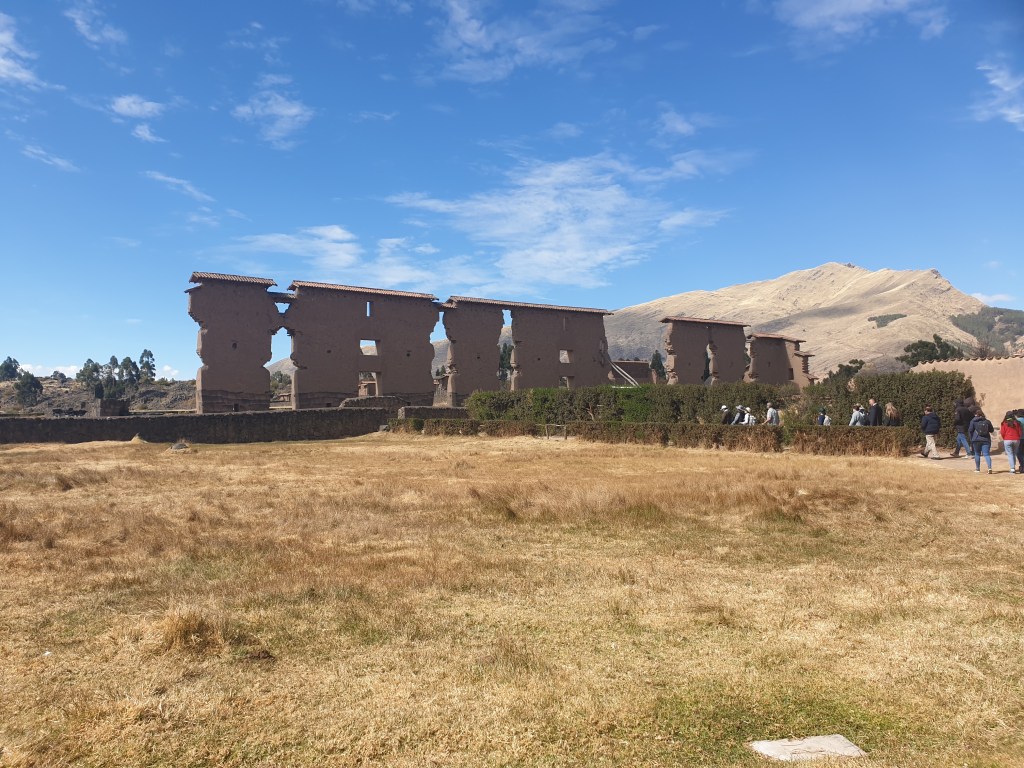
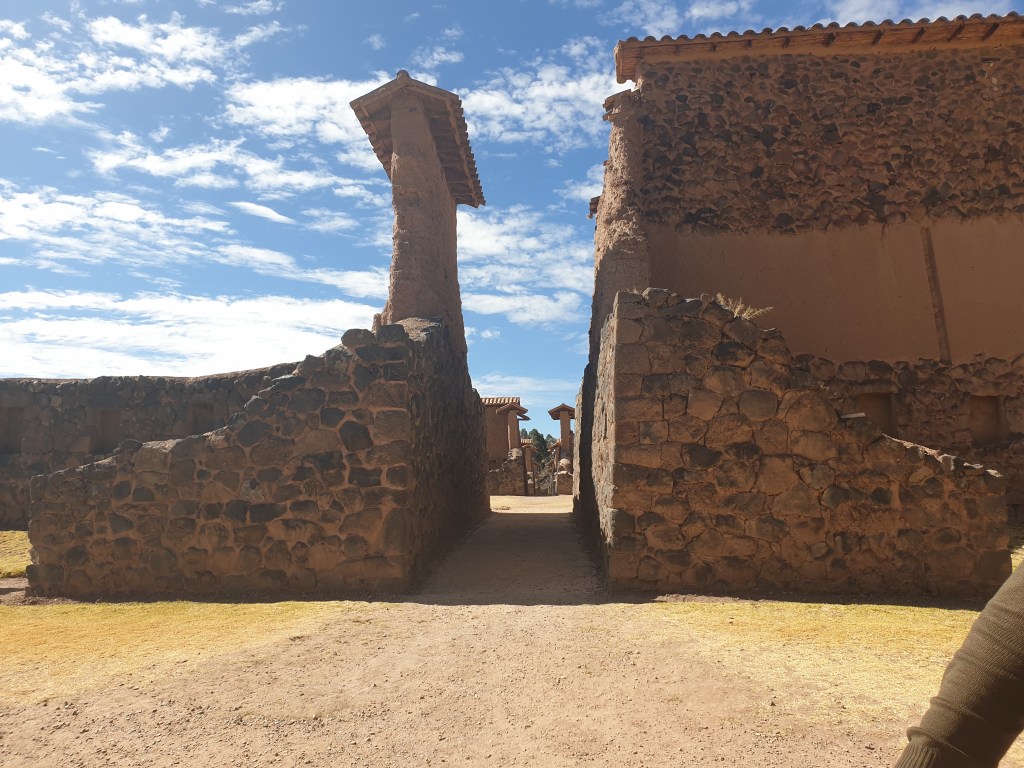
The site is most famous as the Temple of Wiracocha; an ancient creator and deity in Incan and pre-Incan mythology. According to the Incans, he looked a little like this…

Moving on from godly creators to godly views, I take you to the La Raya mountain range.
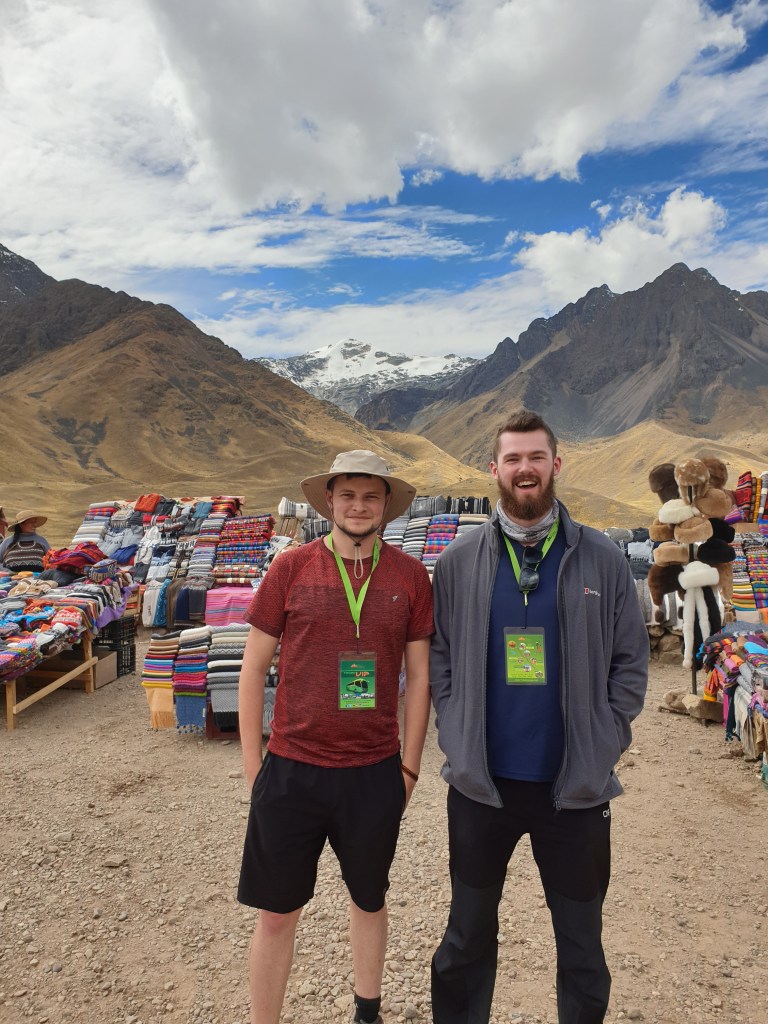
At a whopping altitude of 4350m, the La Raya Pass is one of the highest roads I’ve travelled on, and you definitely feel it moving around. A 5 minute walk feels like you’ve just attempted a 5km fun run after finishing a full english and a family pack of Maltesers.
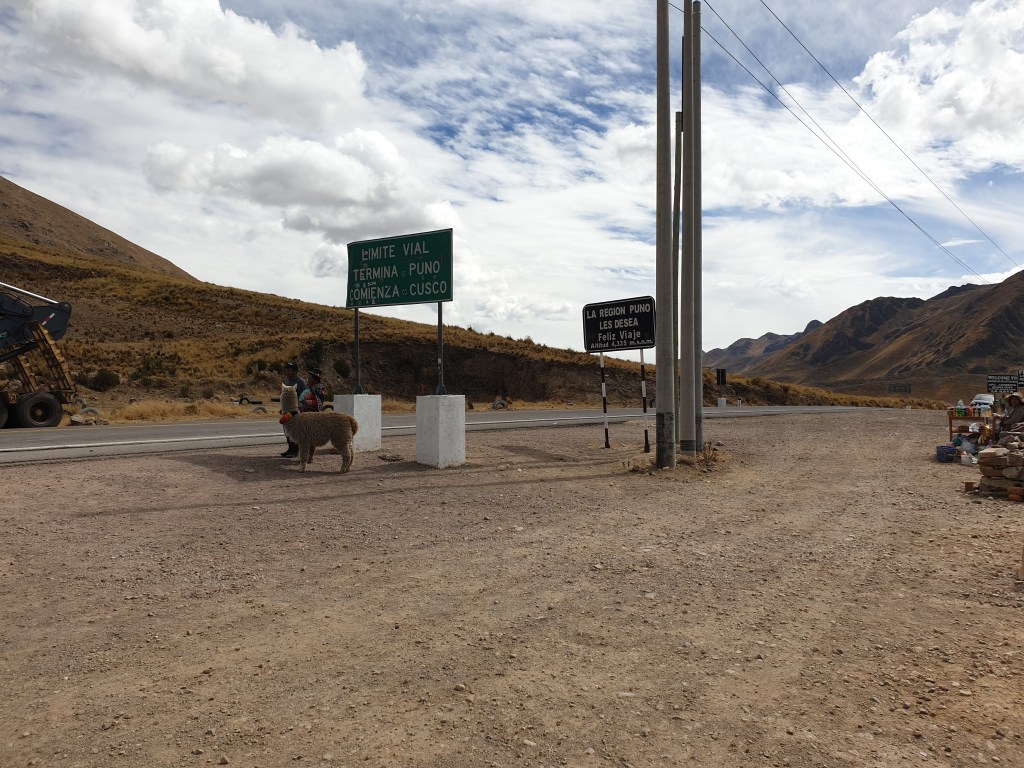
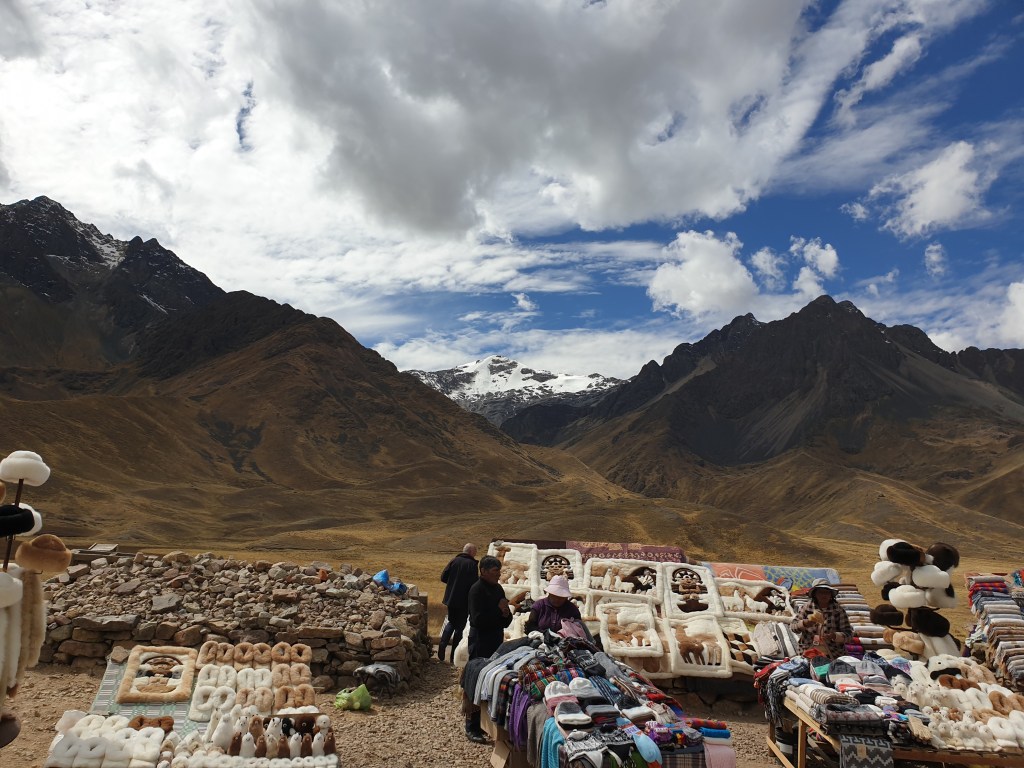
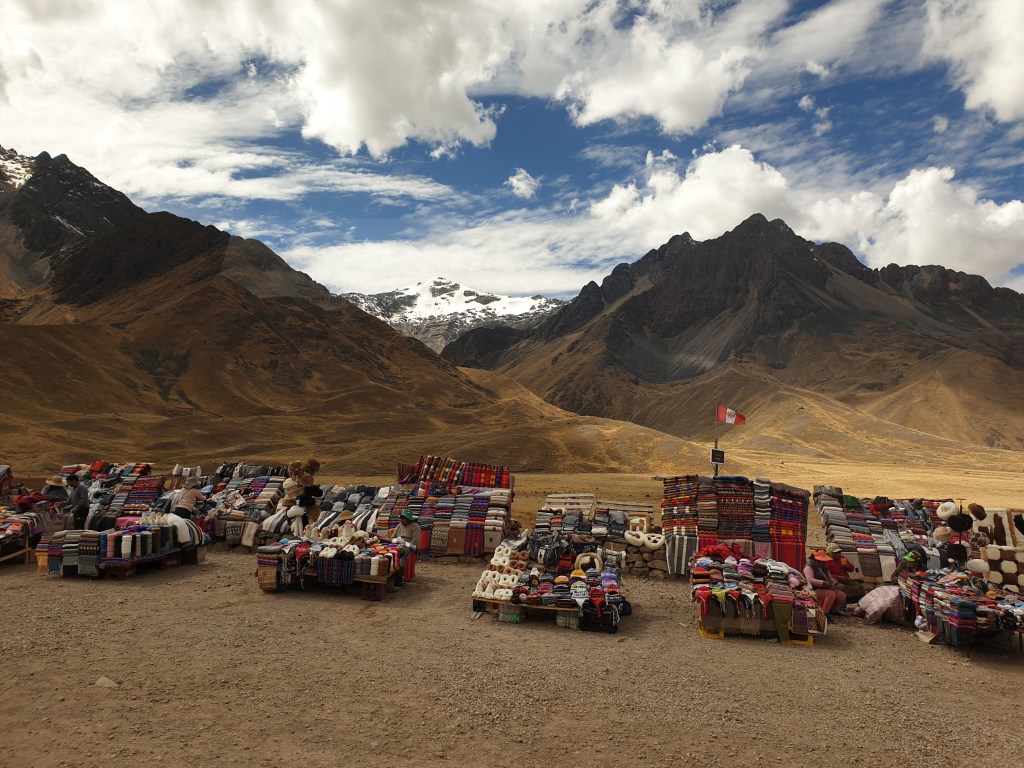
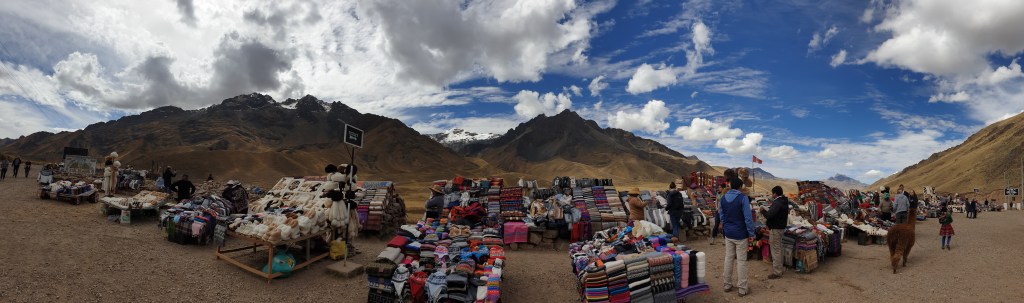
As they so often do, locals line the tourist routes to benefit from the traffic of backpackers passing through here, often selling small souvenirs and alpaca wool products.
Along this road, we also stopped for lunch in Marangani, where these guys hit us with a brilliant rendition of Cuban classic ‘Guantanamera’. I’ve grown up with my Scottish grandad belting this one out, so the hear Latin Americans singing it was a shock to the system.
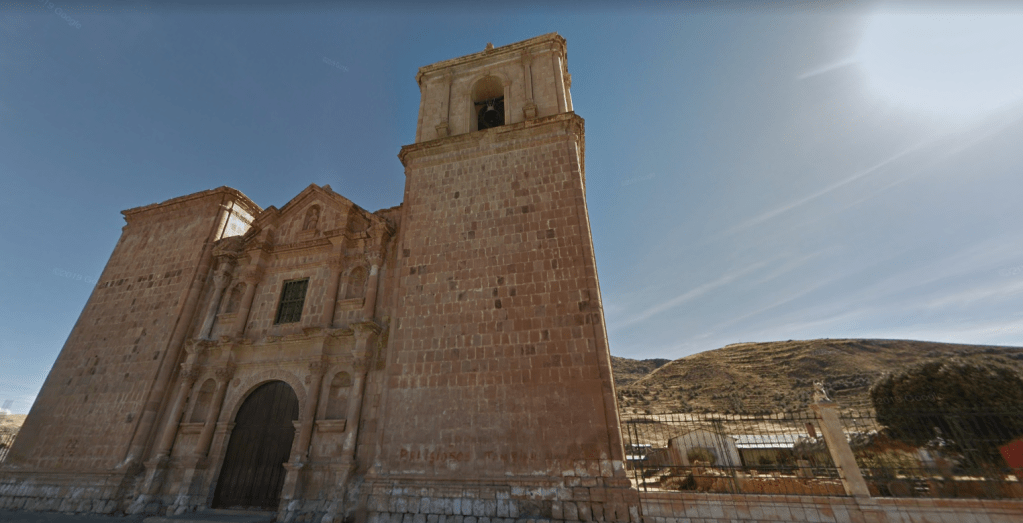
Our penultimate stop dropped us into the town of Pucara. The Spanish conquest of Peru during the 1500s has left it’s mark on the country and it’s religious culture, with ancient Incan mythology making way for Spanish Catholicism throughout much of the country in the modern day. So even in the small remote towns, you’ll still find these beautiful churches!
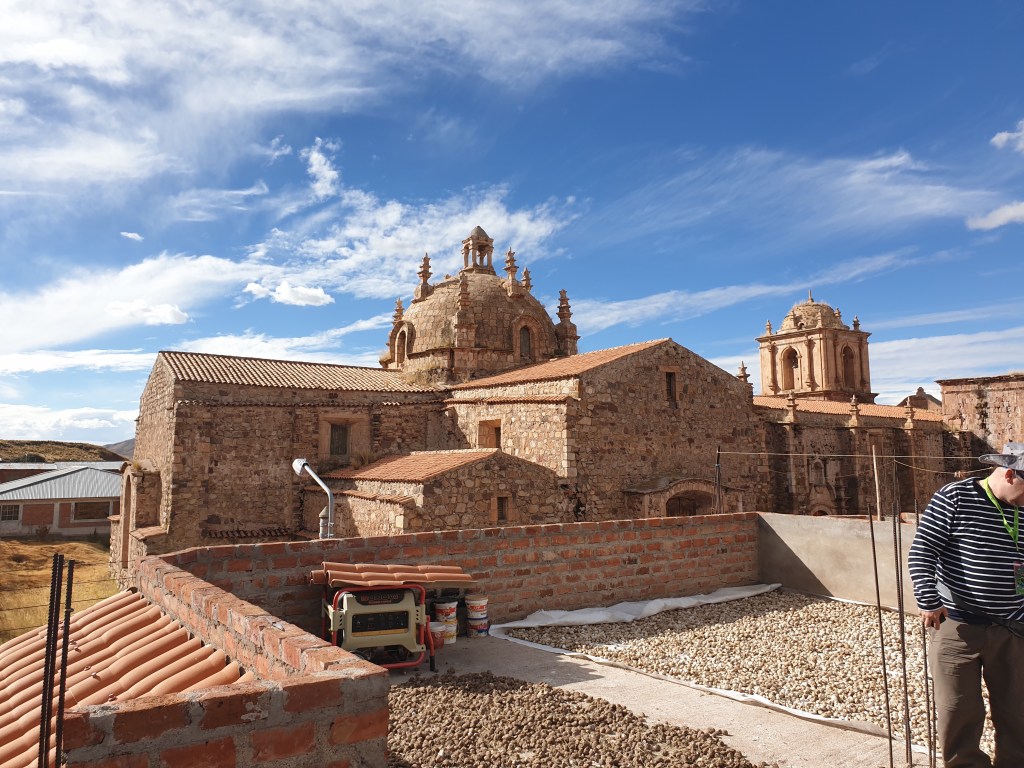
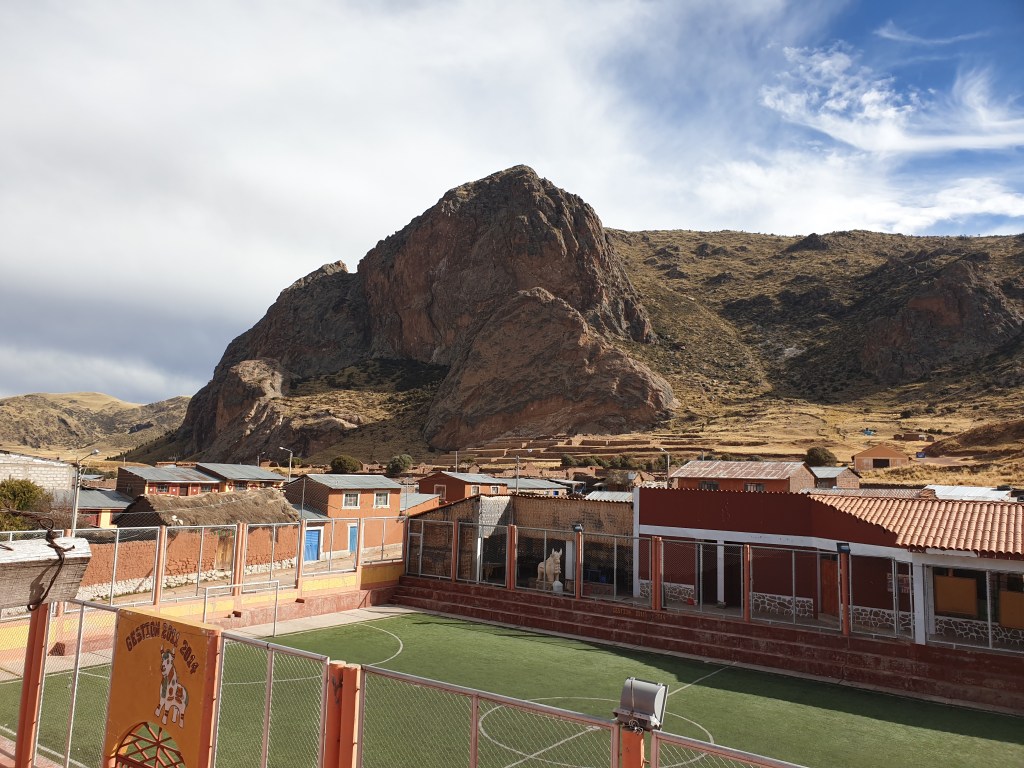
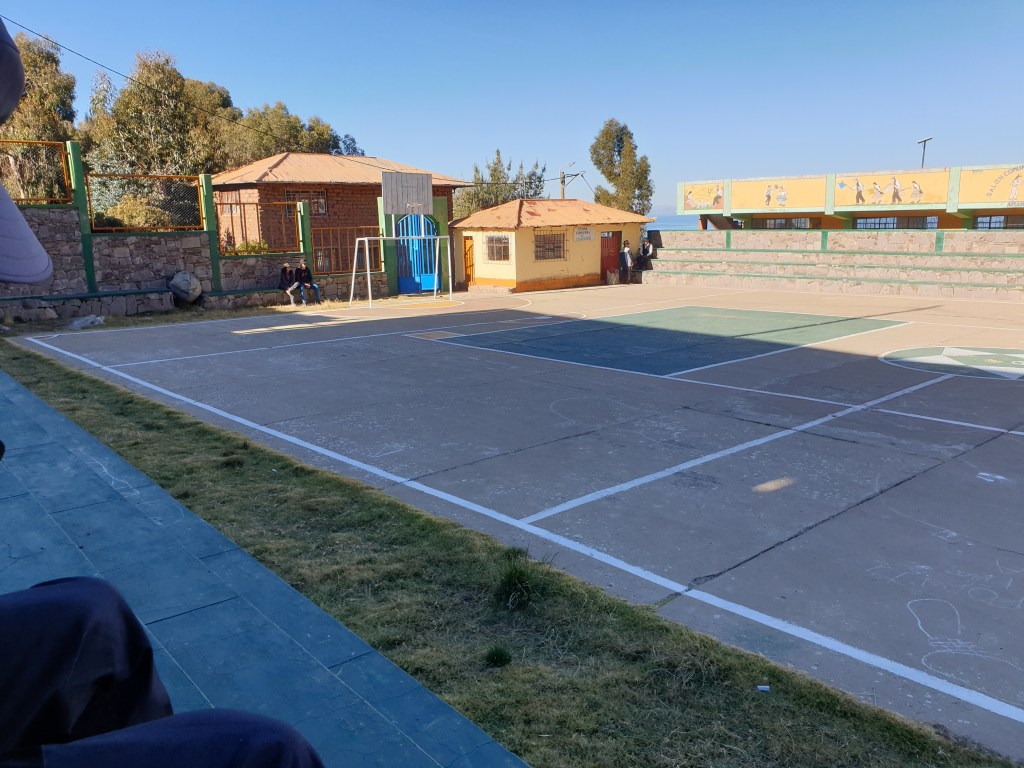
And of course, we’re in South America, so you’ll always find a football pitch too!
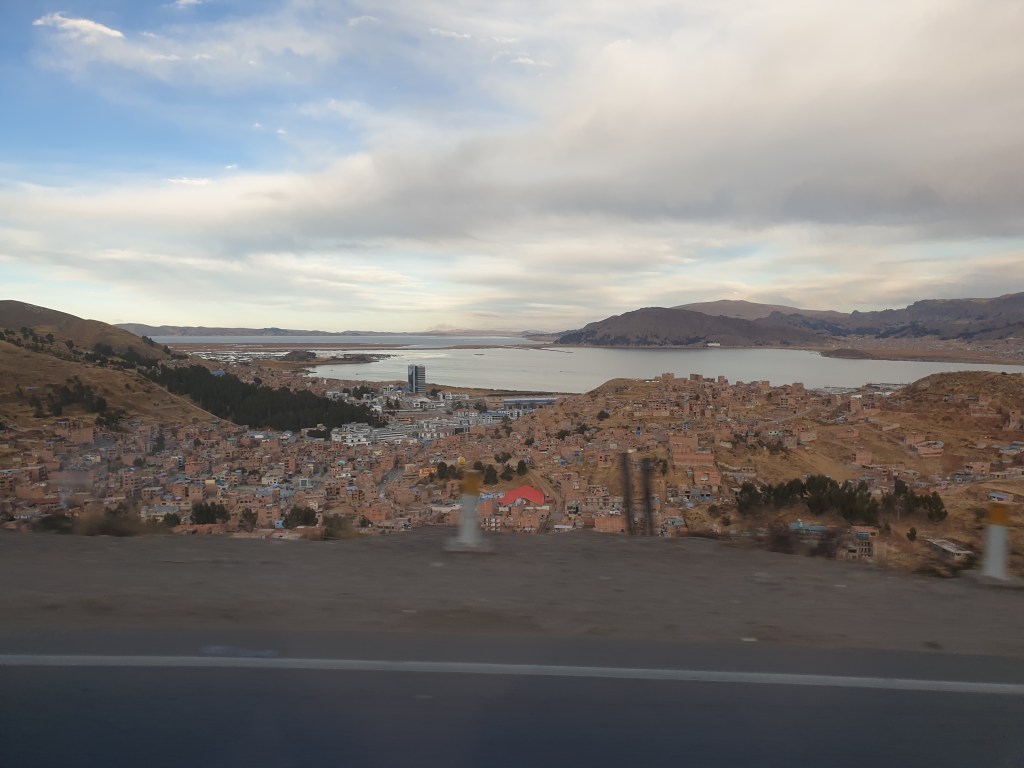
As evening crept closer, we pulled into the city of Puno which sits on the banks of Lake Titicaca. The lake acts as a border between Peru and Bolivia, and is not only the largest lake on the continent, but at over 12,000ft above sea level…
It’s also the highest navigable in the world!
If you’ve been following my blogs in the country, you might remember me talking about the Bamba pass we booked for South America.
_Artboard.jpg)
We’d been following this route all the way from Lima, and the next morning we’d be heading out onto the famous Lake Titicaca. The lake’s vast size might be hard to visualize, but to travel the length of it you’d need to complete a 5 marathons back to back… or swim from Dover to Calais and back again TWICE, to get onto some dry land! Of course to test this out you may begin arousing suspicion from French border control so don’t try this at home.
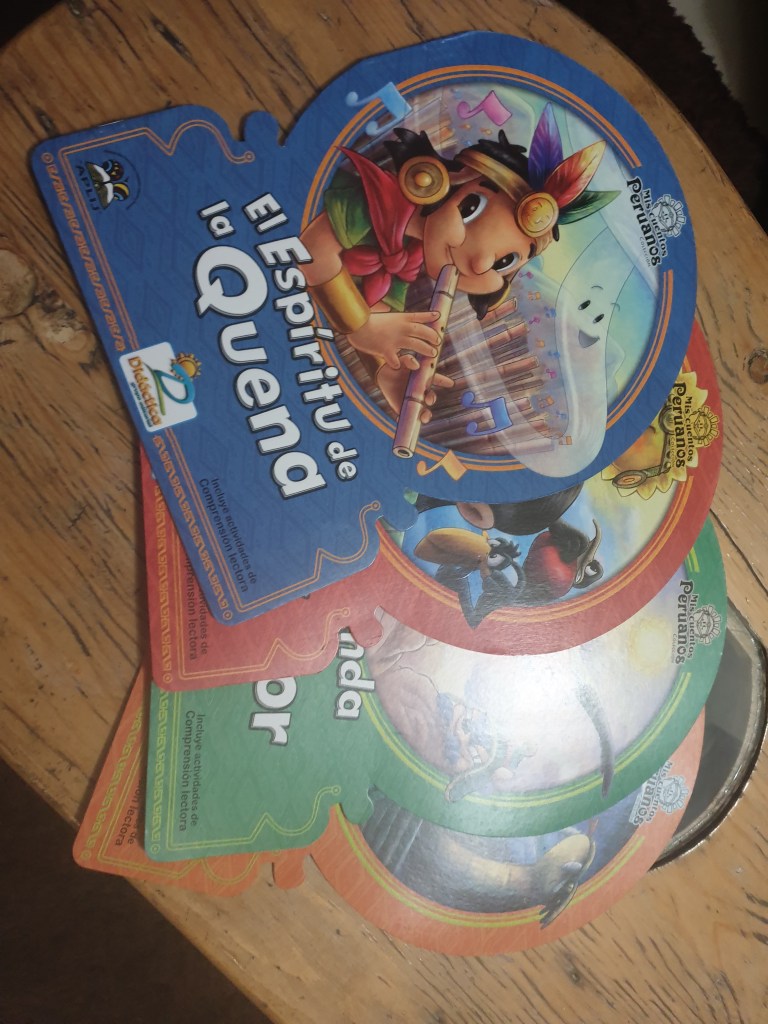
The lake is also home to a plethora of indigenous cultures living their lives almost exclusively on the lake, and we were lucky enough to meet some of them. Before we did though, we have time to explore this lakeside city. As recommended by Bamba, we picked up a few children’s books as a gift to the locals we’d be meeting the next day.
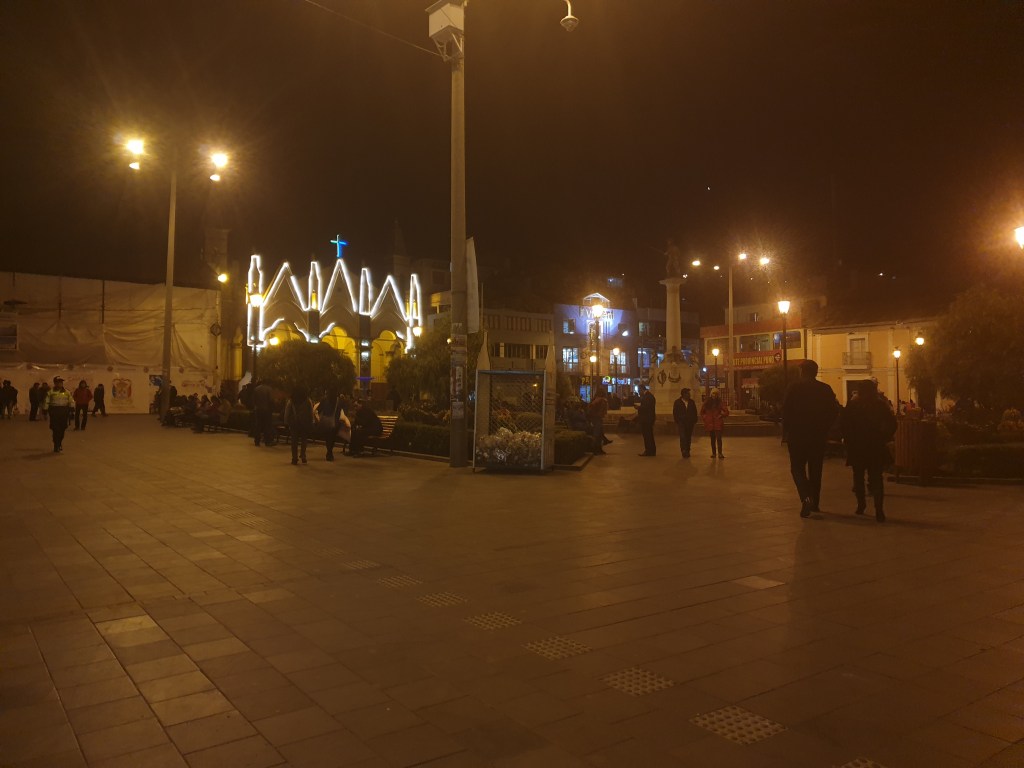
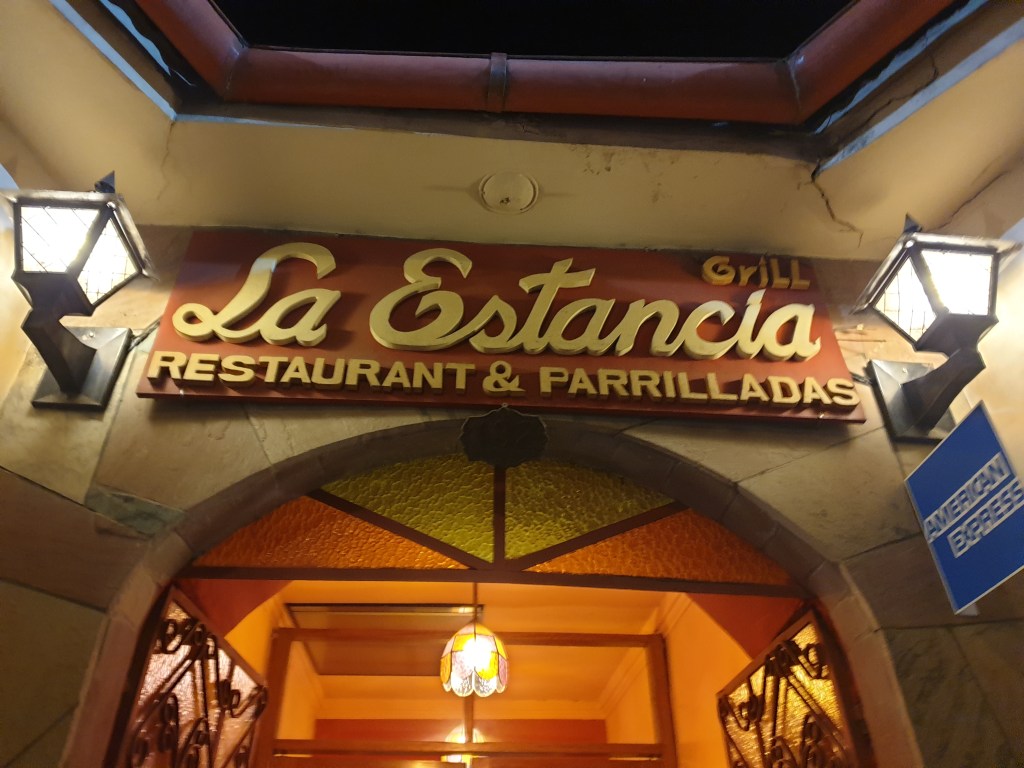
Jamie was also keen to try out the Peruvian delicacy of Cuy before we left the country! I’m not going to tell you what it is, but you might be able to hazard a guess from these photos.
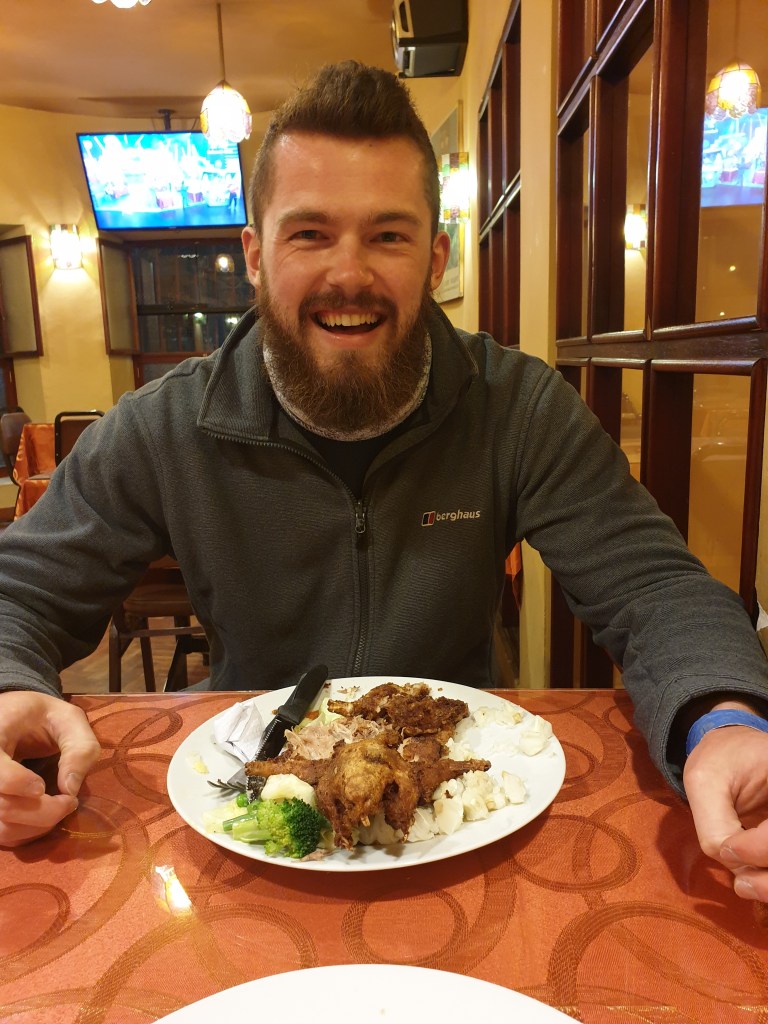
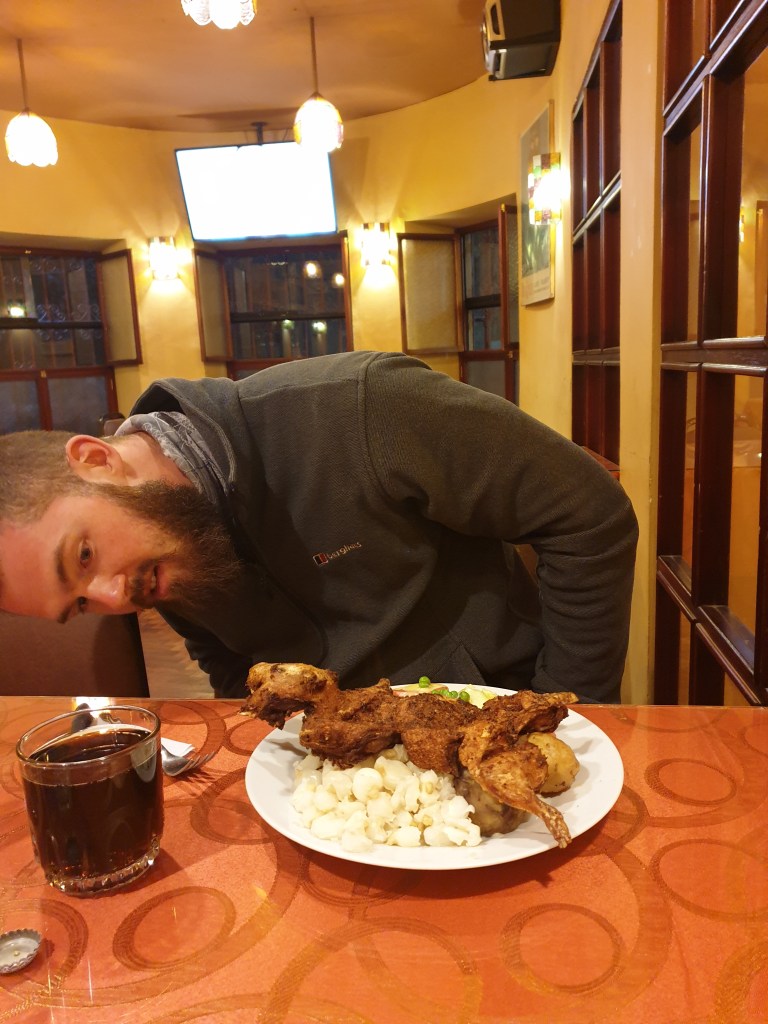
I did try a little myself, and surprise surprise… it tastes just like chicken 😛
There’s also something disconcerting about having dinner while someone else’s is looking at you!
Straying out onto the lake early the following morning, we came face to face with something truly unique. The Uros people and their floating islands. The Uros or Uru consider themselves the owners of the lake, and initially constructed their floating islands as a defense against attack and enslavement. A novel idea until someone’s fits your island with a tow bar.
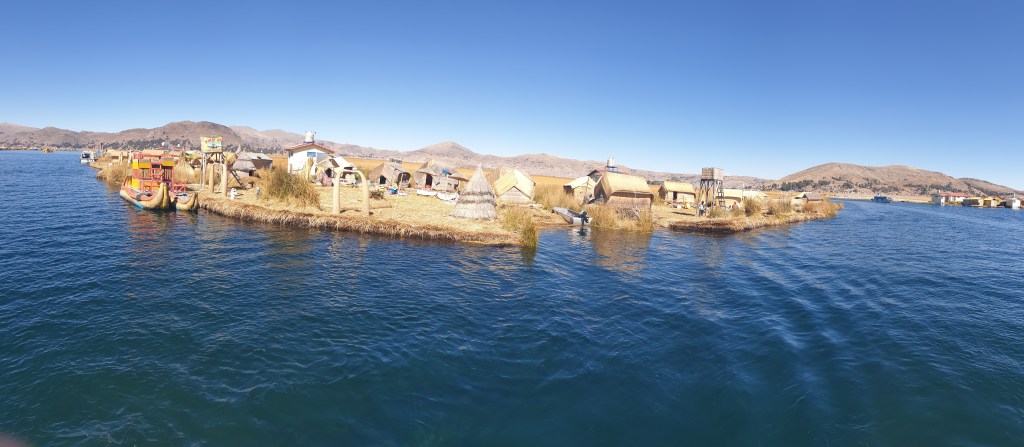
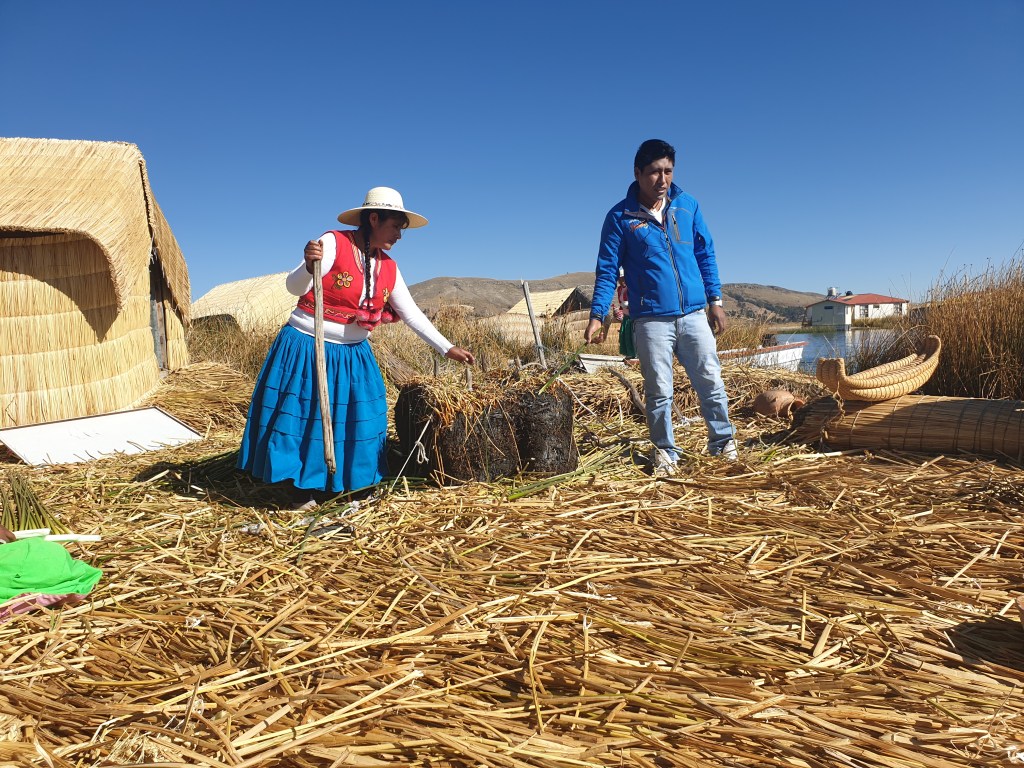
Some of the locals showed us how they construct the islands using reeds, and even mention that during family disputes, if the matter can’t be resolved, they’ll simply saw part of the island off so they can live separately. I’ve heard of family breakups, but I’ve never thought of annexing the kitchen off because a game of monopoly got too competitive.
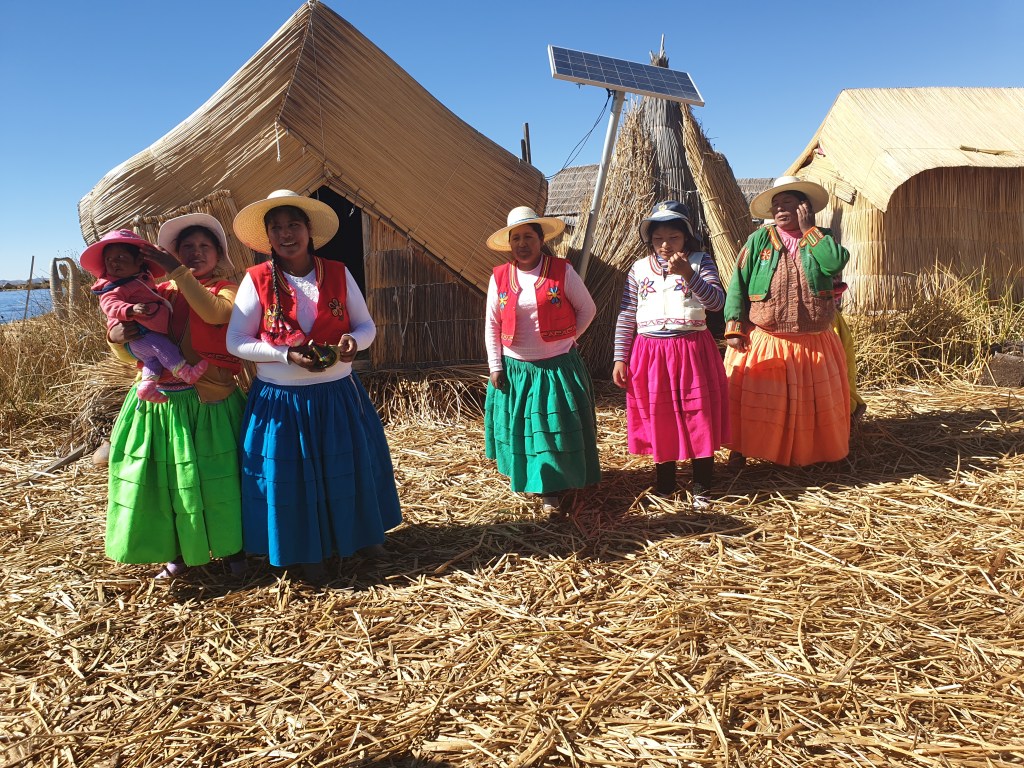
While the original language of the Uros People, Puquina, is all but lost to time now, they still retain much of their traditional dress and customs. This connection to the past is something I’ve found to be really charming about Peru. The traditions and the cultures of the many civilizations that have made their home here over the millennia’s are not just resigned to the history books. While Spanish is the most common, there are over 40 languages commonly spoken in the country, and hundreds more spoken by indigenous populations across the Amazon rainforest and Andes mountains. A product of Peru’s colourful history.
Leaving one indigenous population for another, we set sail for Amantani island.
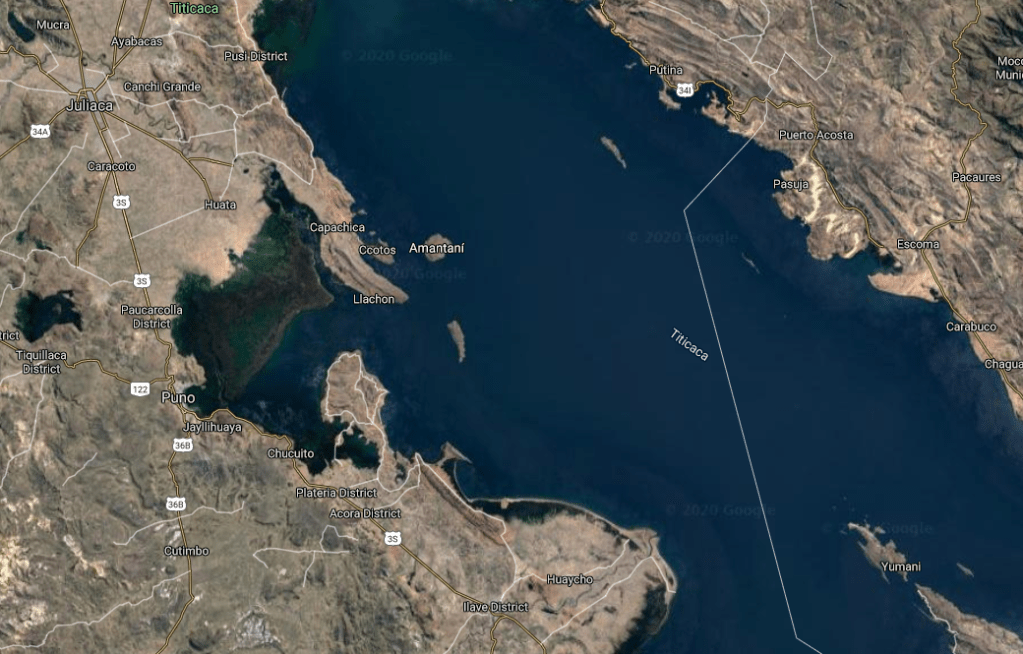
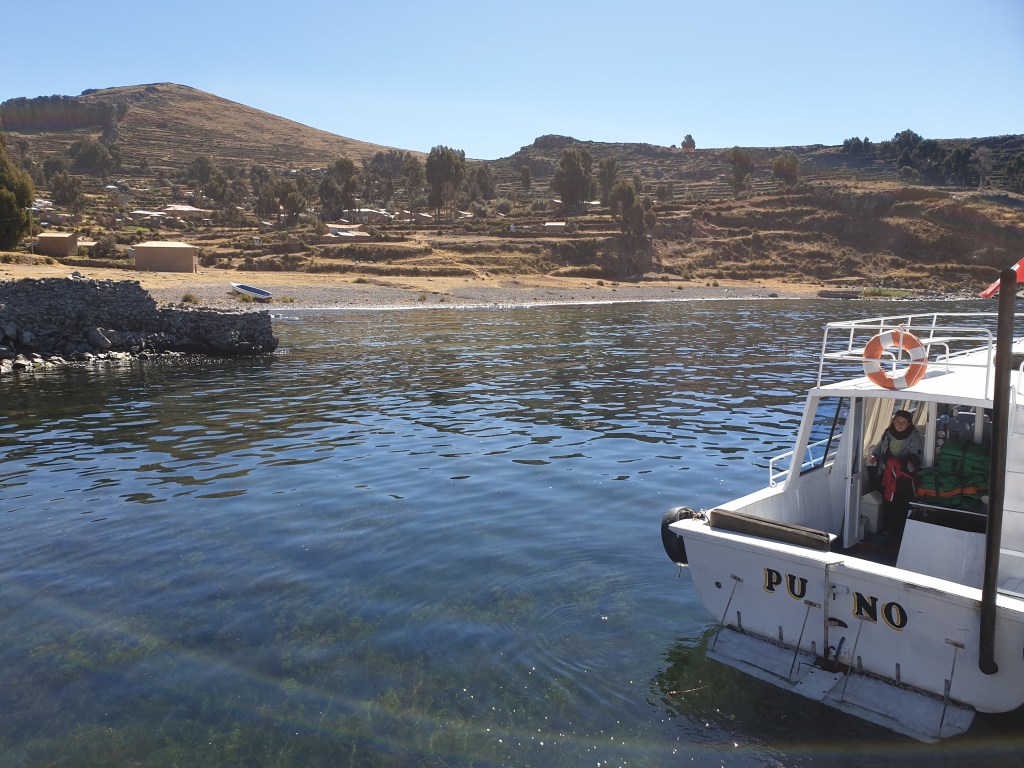
As part of the Bamba pass we were about spend a couple of days with a local family. The islands population speak mainly Quechua; one of the most prominent languages in the Andes region, but understand Spanish. Fortunately, we were sharing our homestay with a father and son from Colombia who spoke good and English and Spanish, and while I’ve been really keen to embrace the language barriers and learn as much Spanish as I could, it definitely helped having them there to bridge the gap.
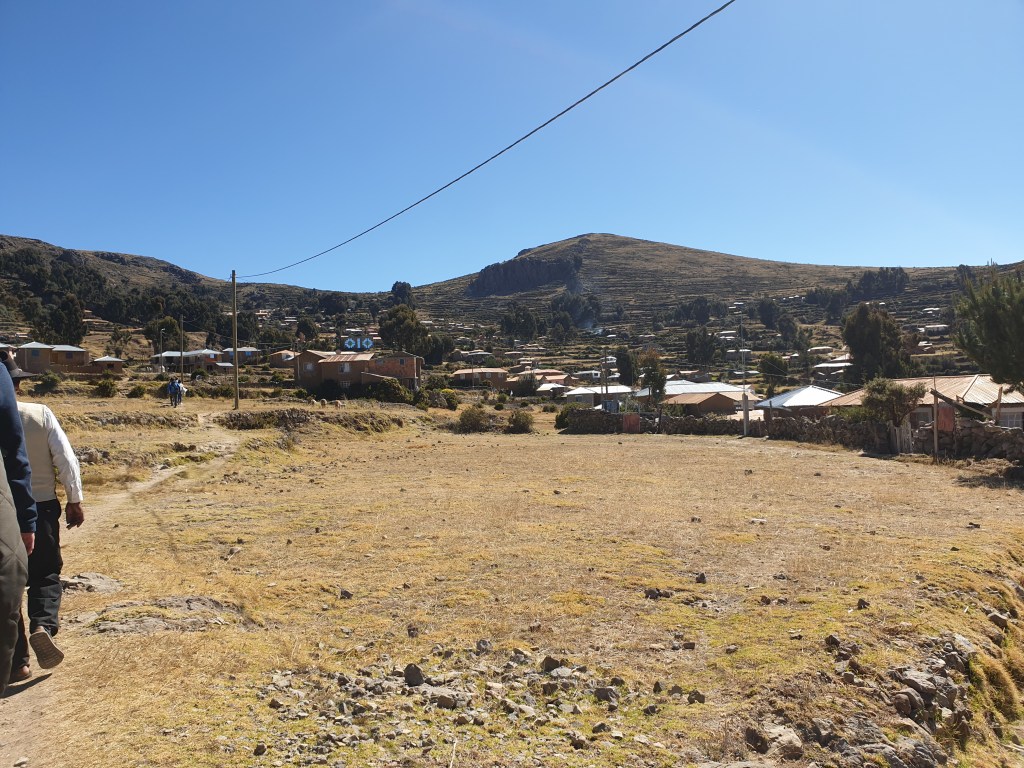
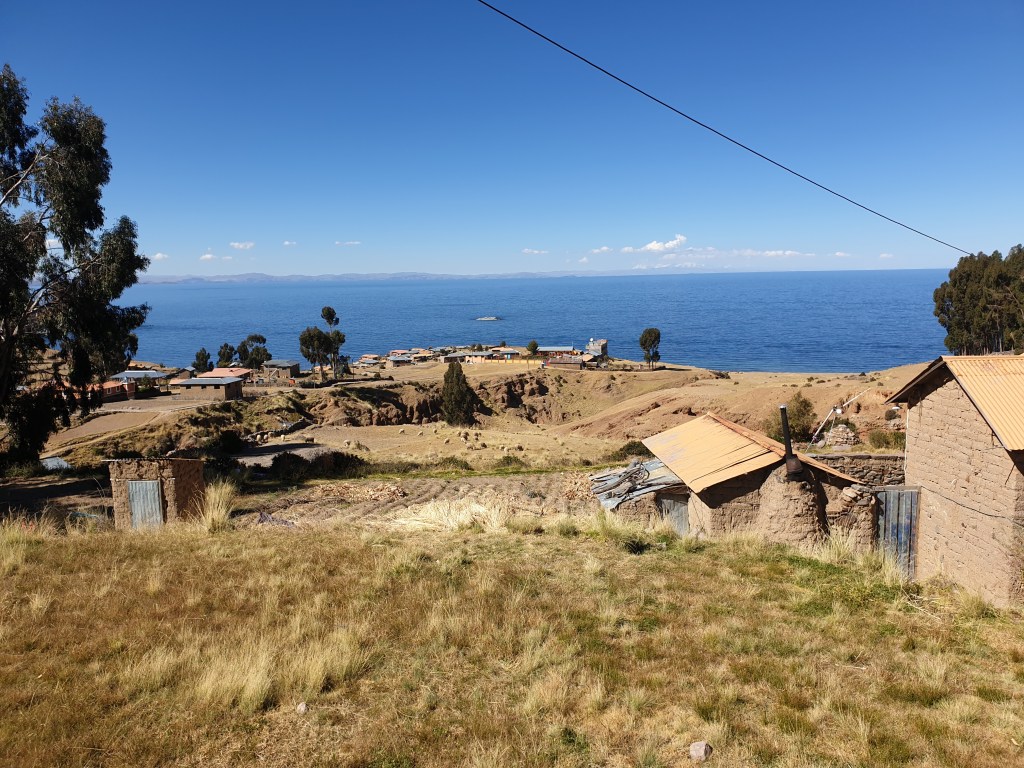
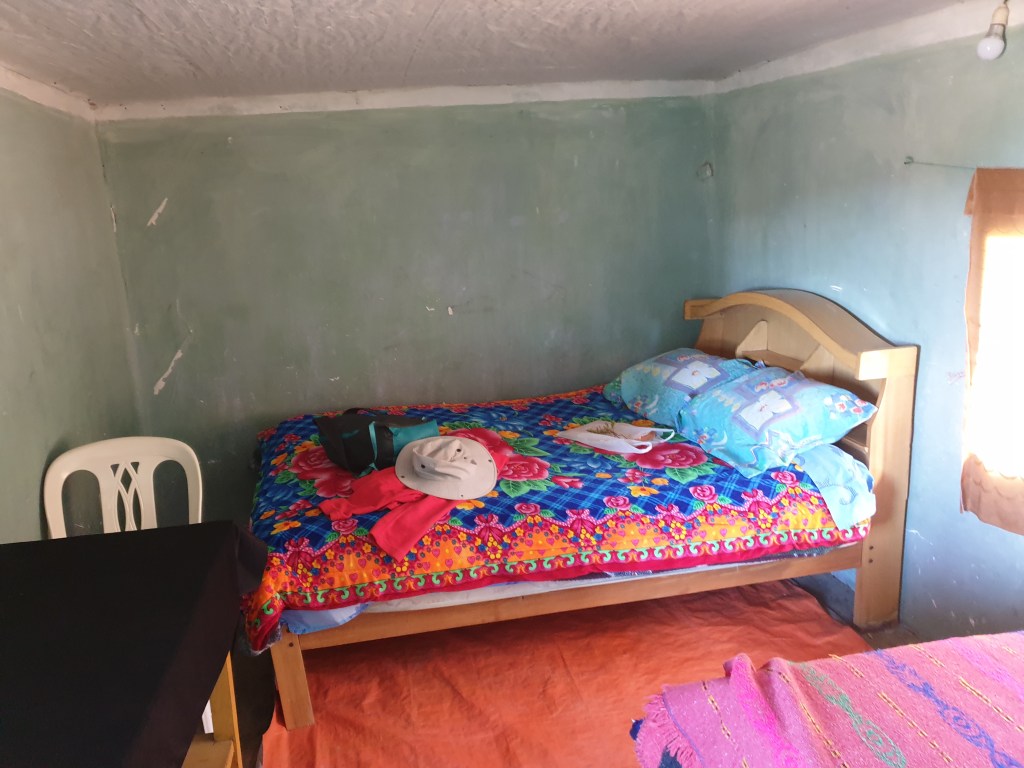
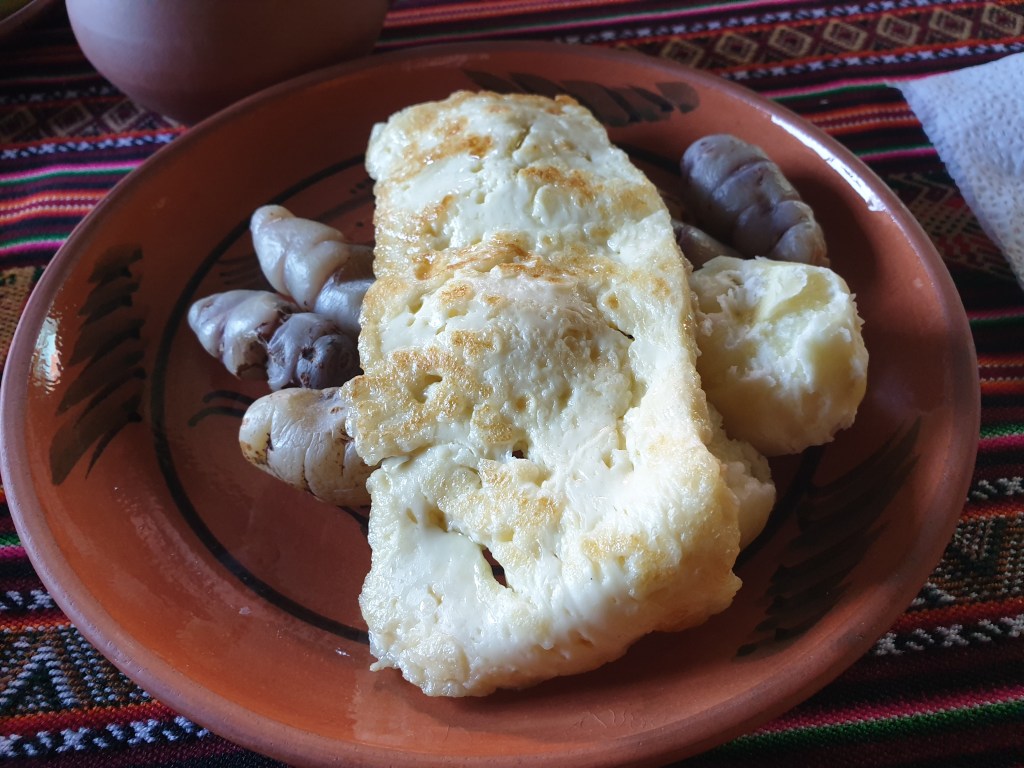
After a short walk, we settled into our new abode. Basic as it was, we felt incredibly welcomed by the family, who provided us with some warm clothing to keep the chill off and offered us an evening meal before we began a trek up to the island’s peak.
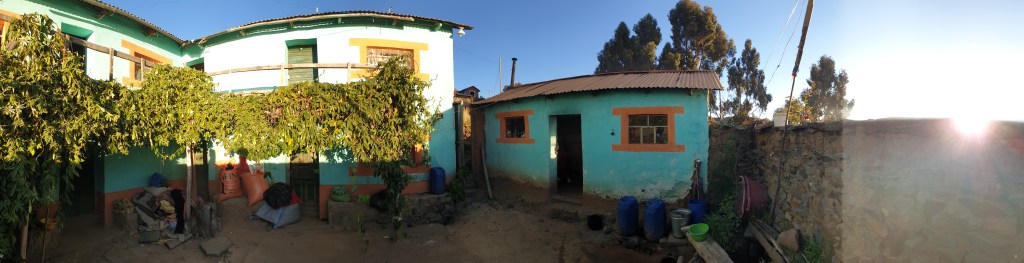
What was I saying about ‘there’s always a football pitch in South America’?
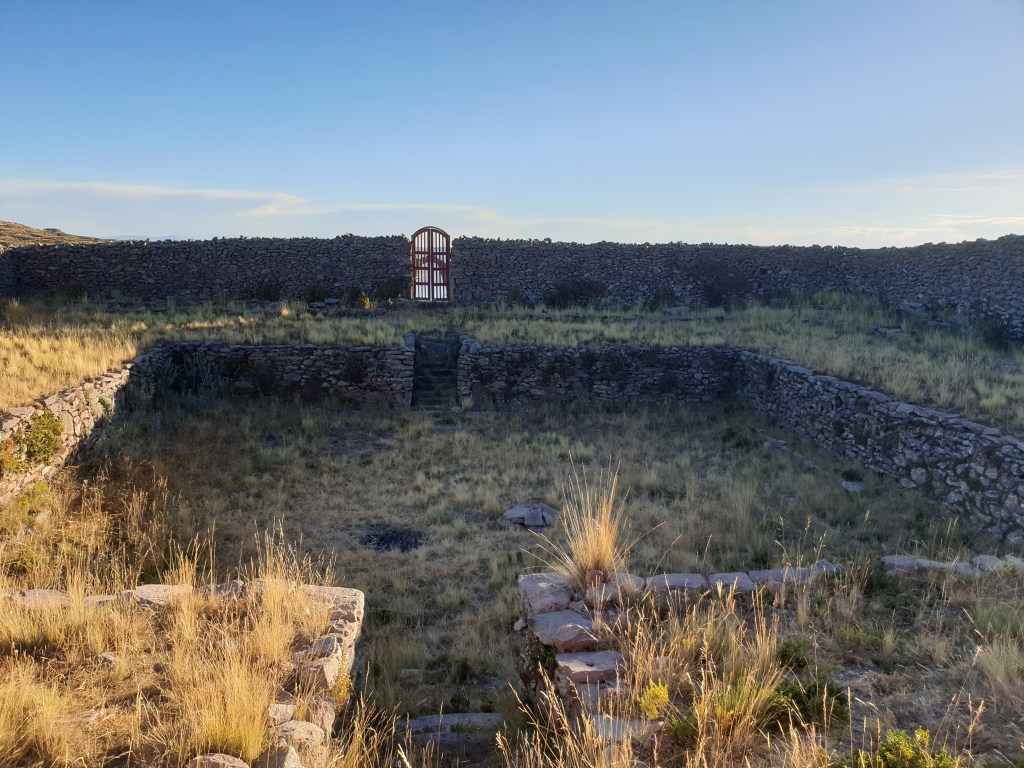
Amantani island has two peaks, Pachamama and Pachatata. Quechua terms for ‘mother earth’ and ‘father earth’, dating back to Amantani’s Inca history. In fact, at the very top of each peak lies an Incan temple. These are closed off on all but one day of the year, on or around the 20th January. Tradition it that on this day the islands population divides into two, gathering at the temples and selecting a runner from each side to race to a point between the two peaks.
A win for Pachamama signifies a good harvest is on the way
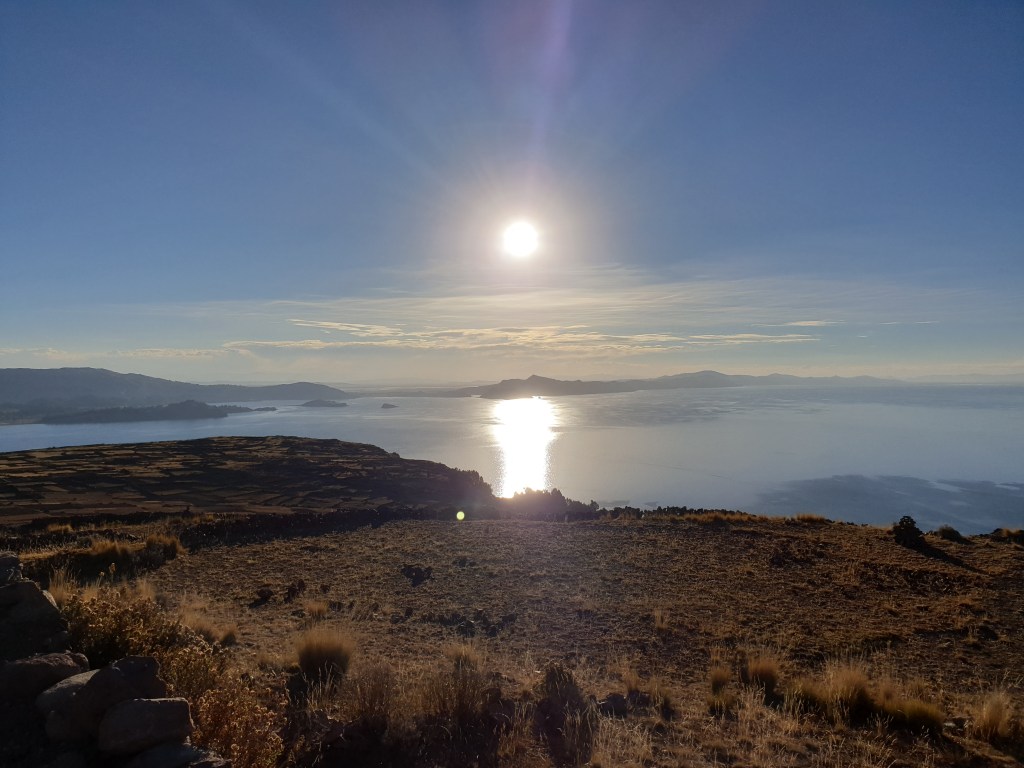
Enough history though, and more lake sunsets!
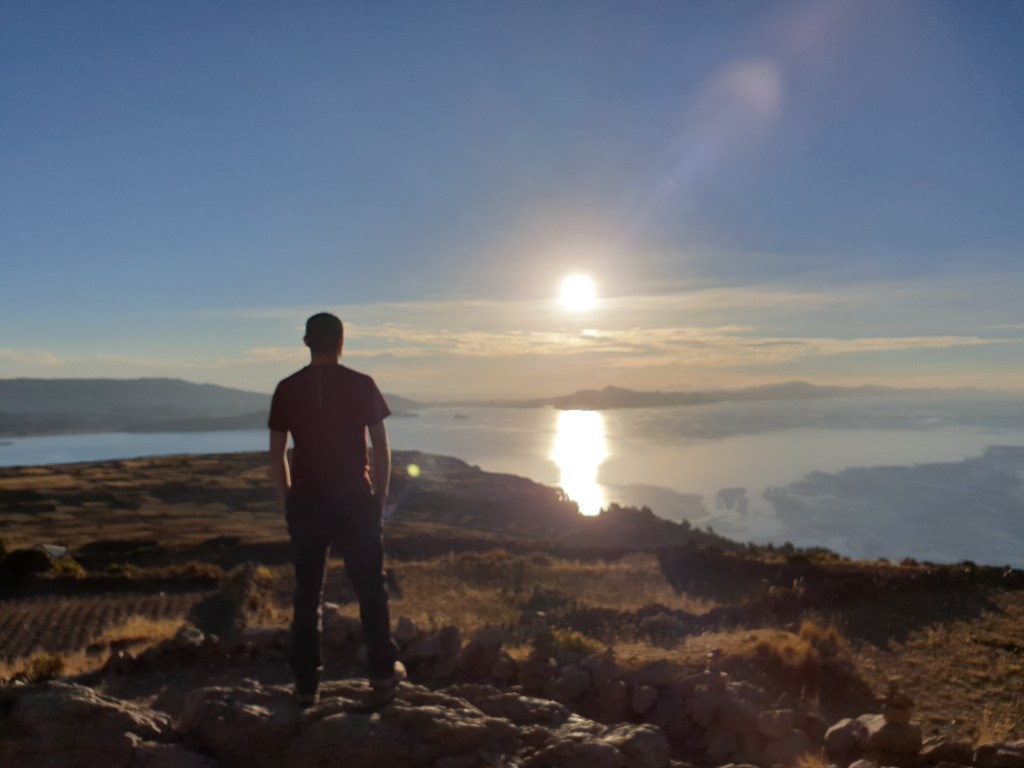
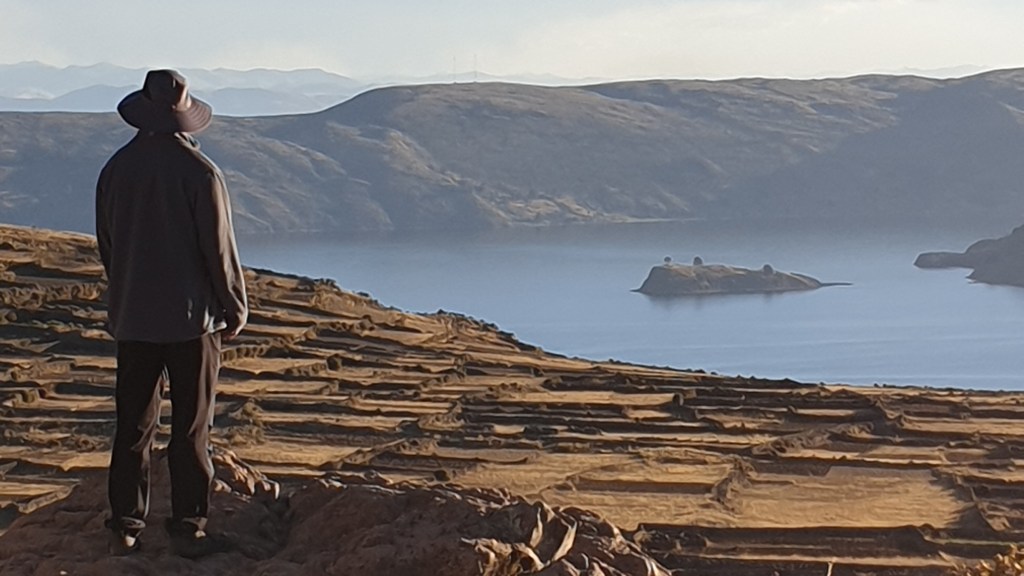
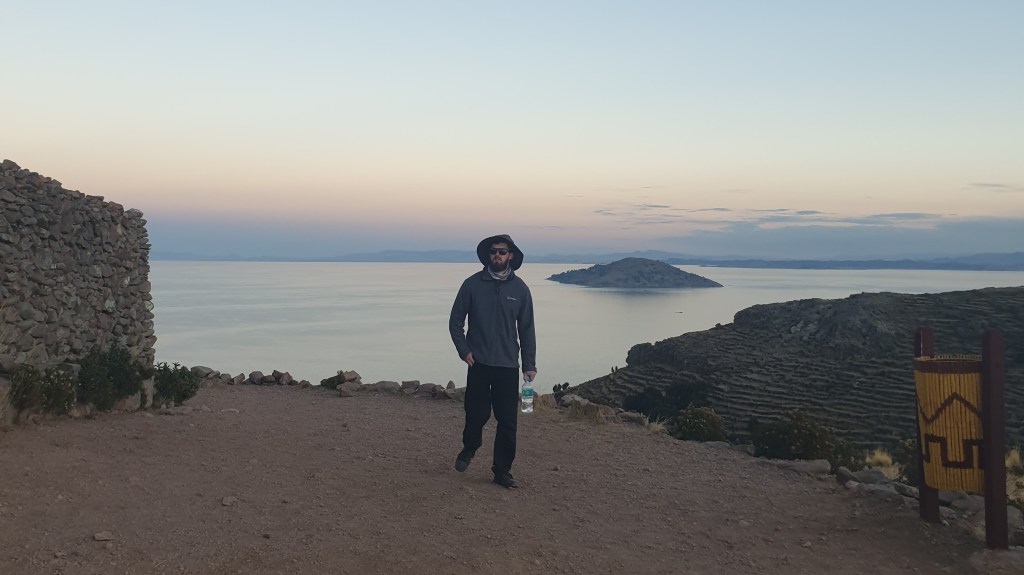
As the night fell, we joined all the other homestay arrivals for a fiesta with our new local friends! Local clothing, local music, and of course local dancing!
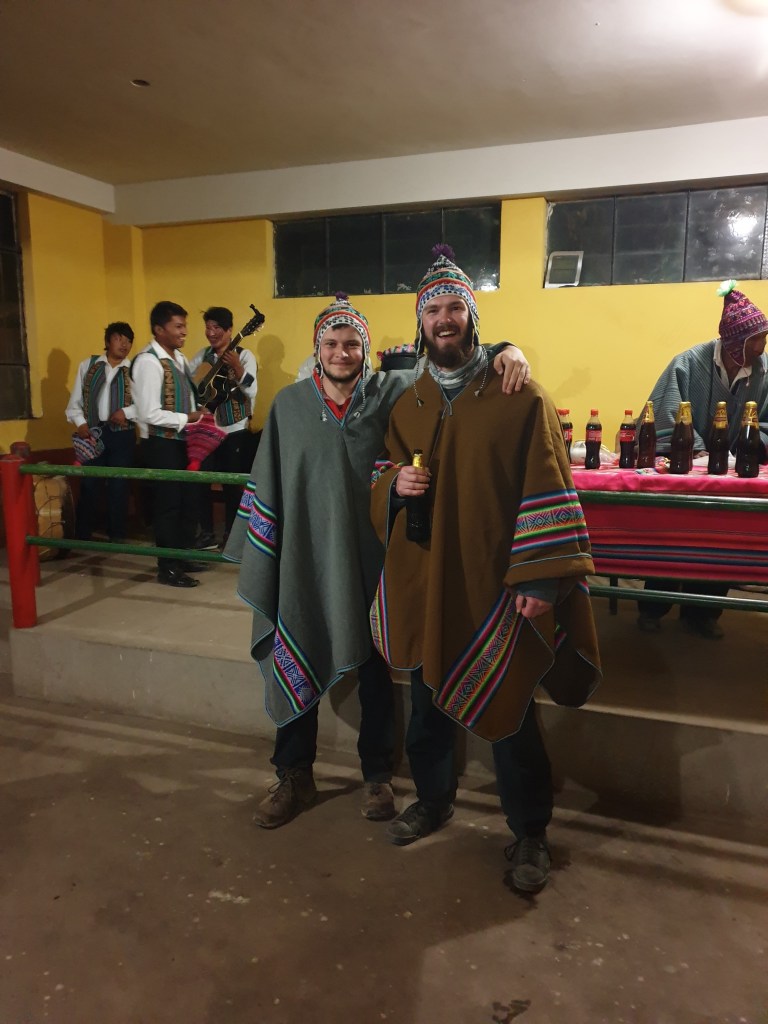
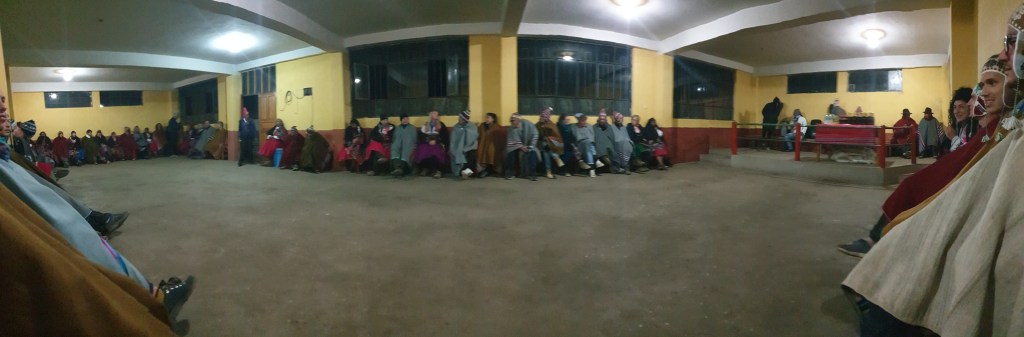
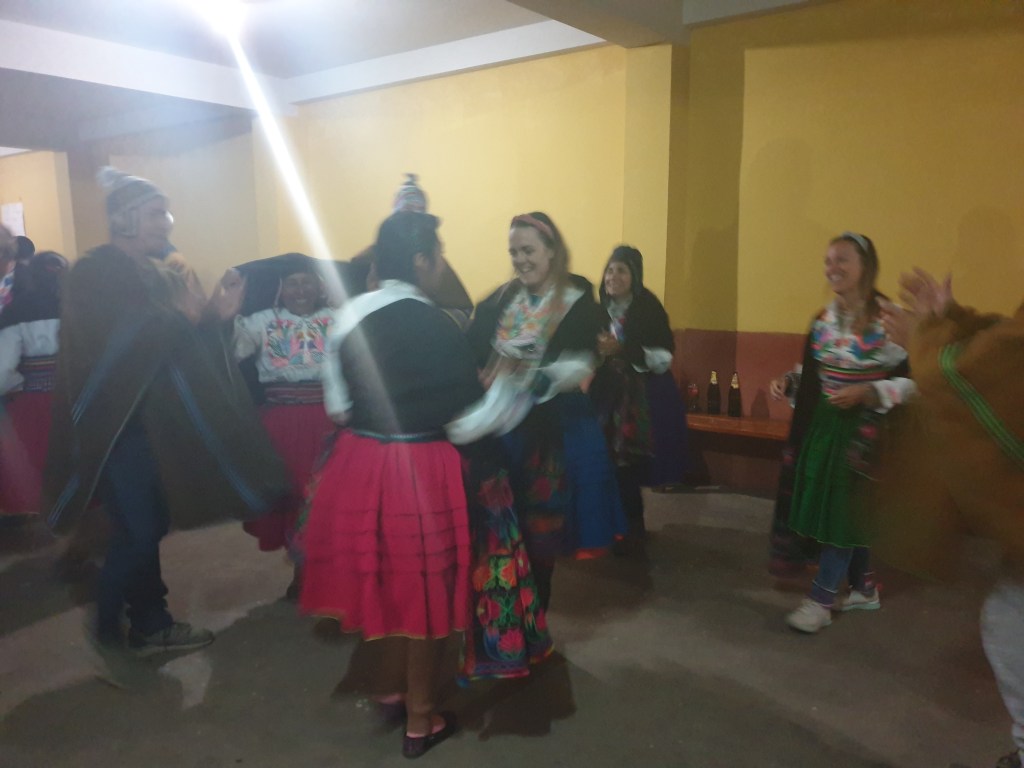
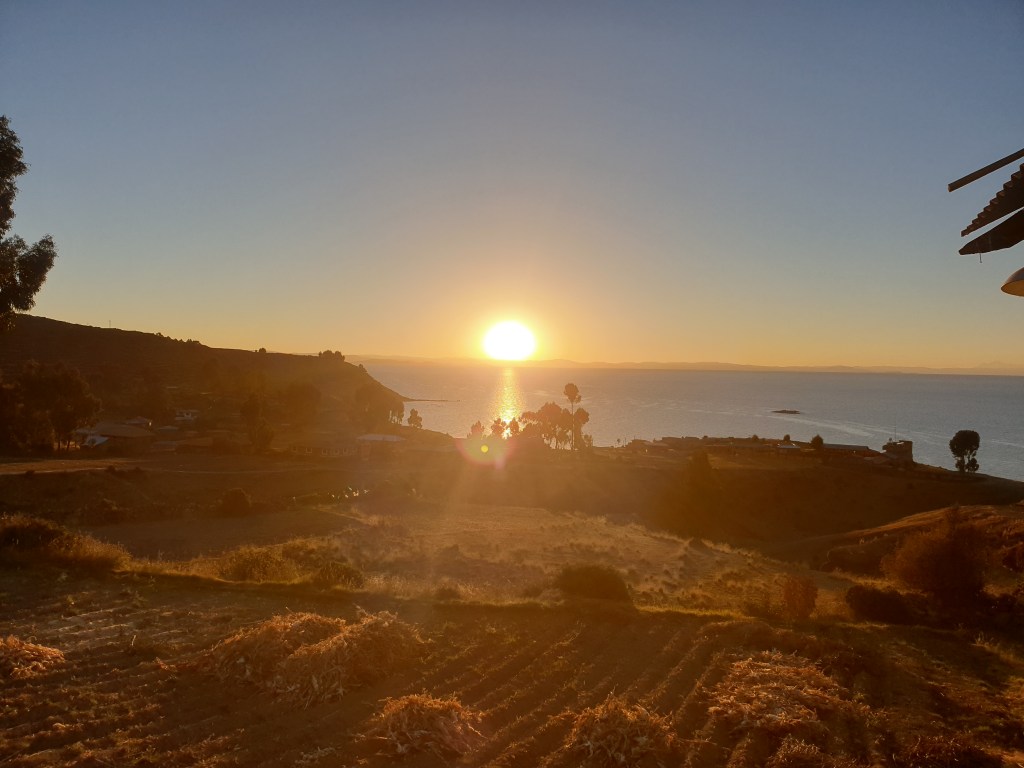
After a brilliant night embracing traditions in big Peruvian ponchos, it was almost time for us to leave Amantani. Not before a glimpse of this beautiful sunrise though.
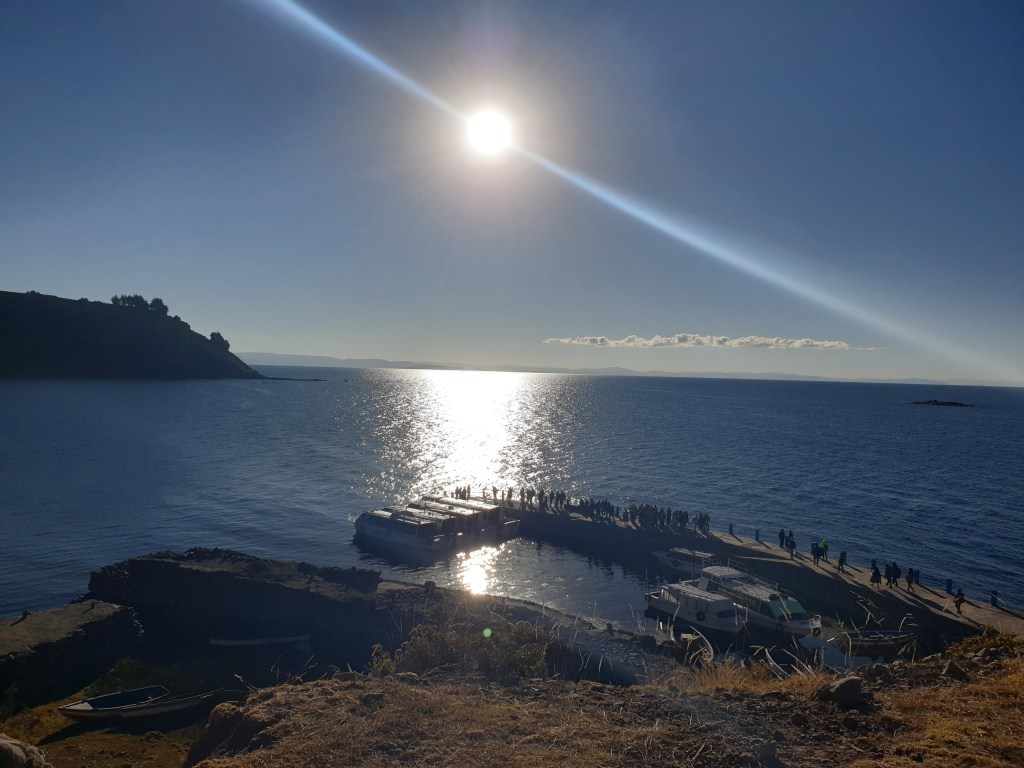
Heading back down to the docks, we bid farewell to Amantani and our hosts. Any guesses on the next stop? It would be rude to stop at just 2 islands would it not?
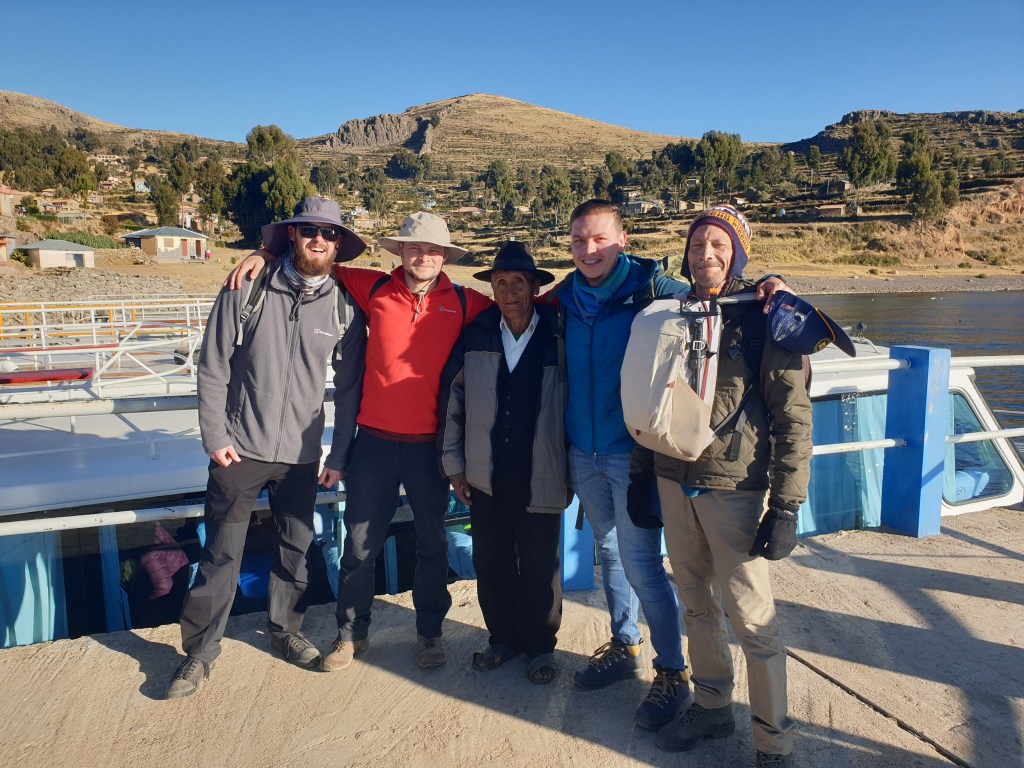
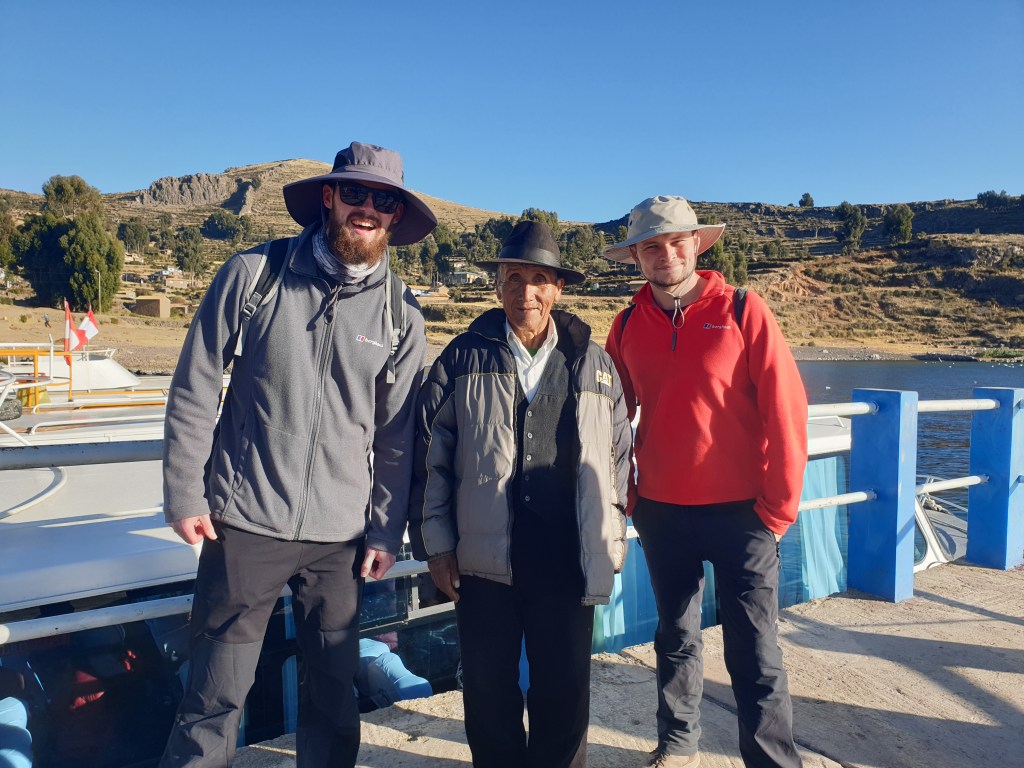
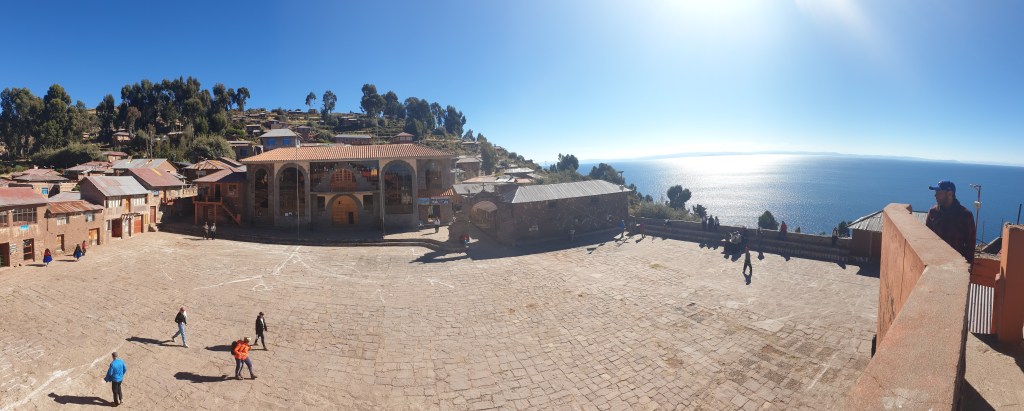
So we moved onto Isla Taquille. The lake shimmered under the midday sun while we explored the main plaza.
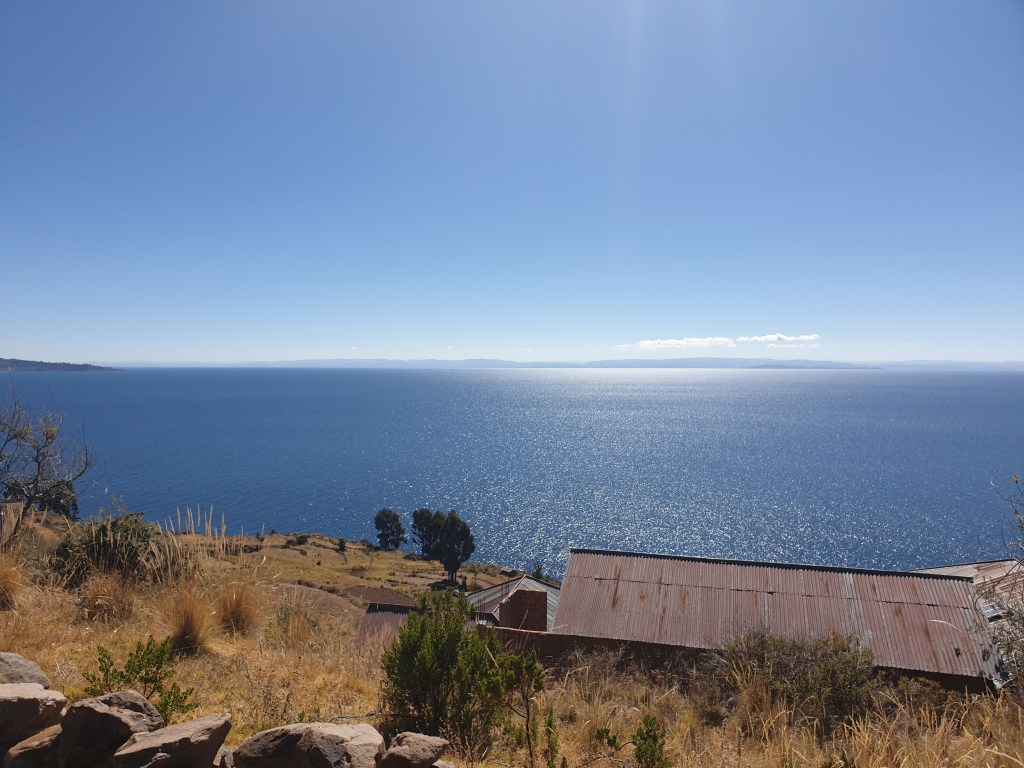
A scenic coastal walk took us to a beautiful lunch spot, where we learned a little more about the work that goes into those crazy Ponchos and garments!
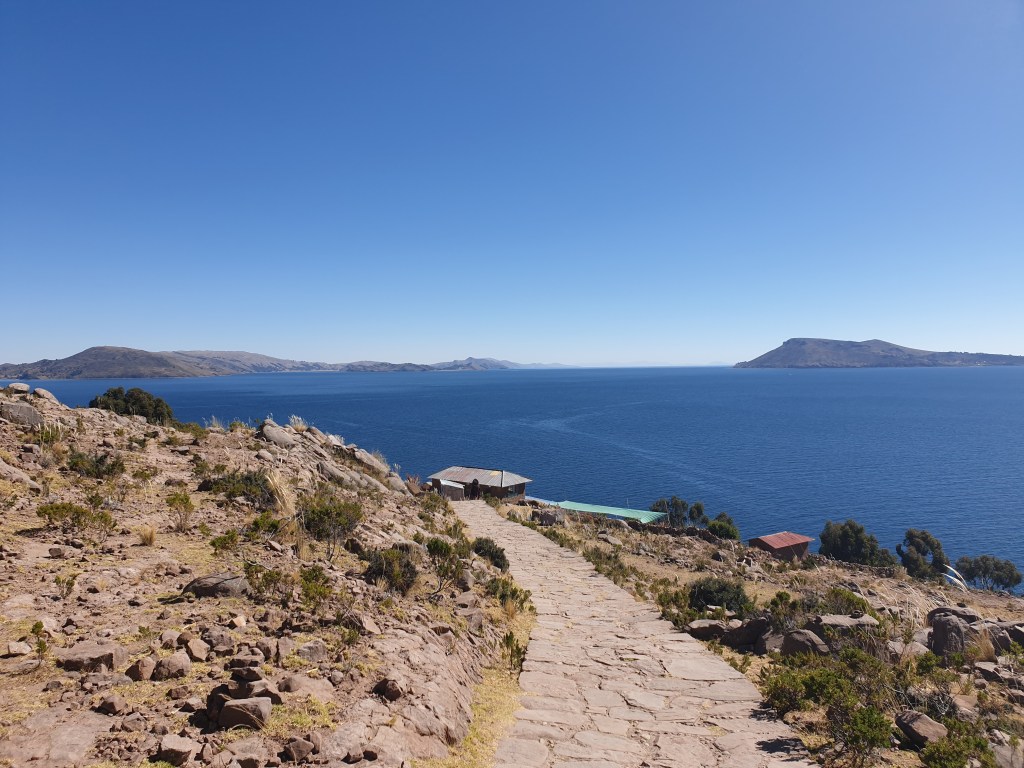
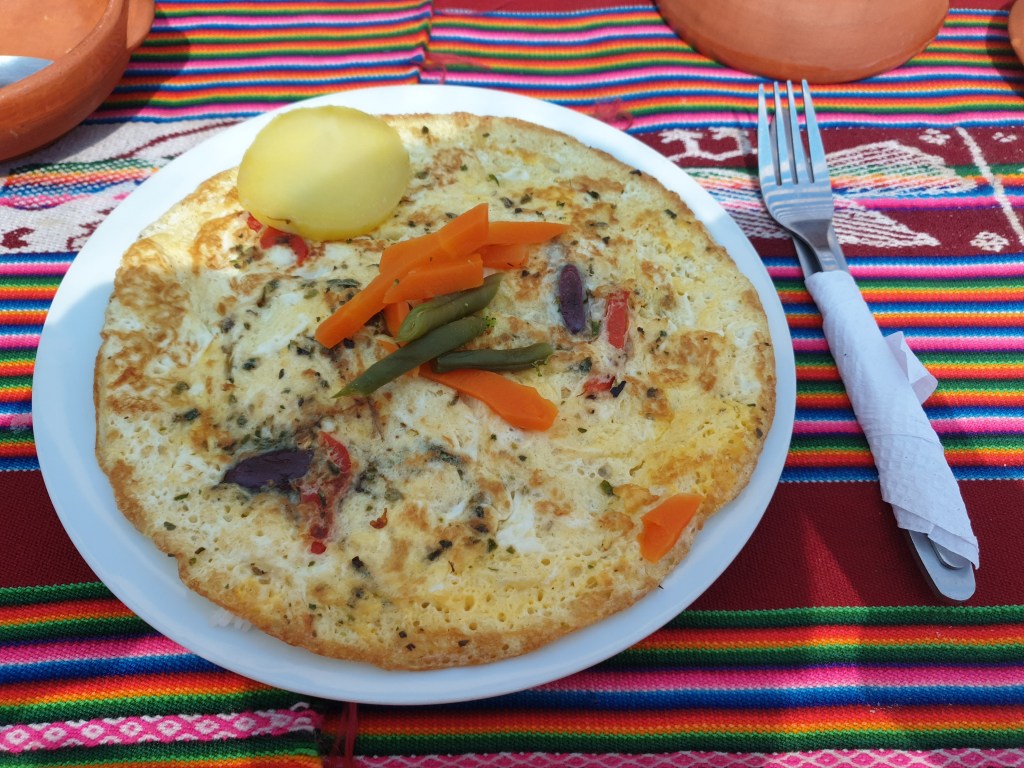
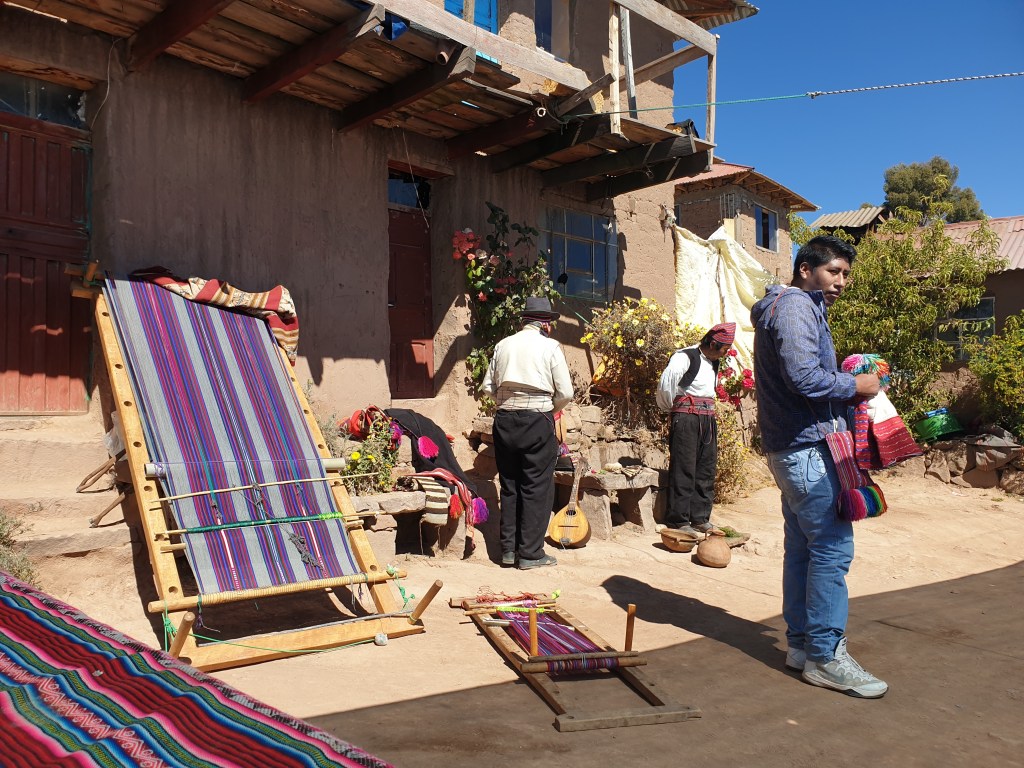
I think that’s Amantani island in the distance!
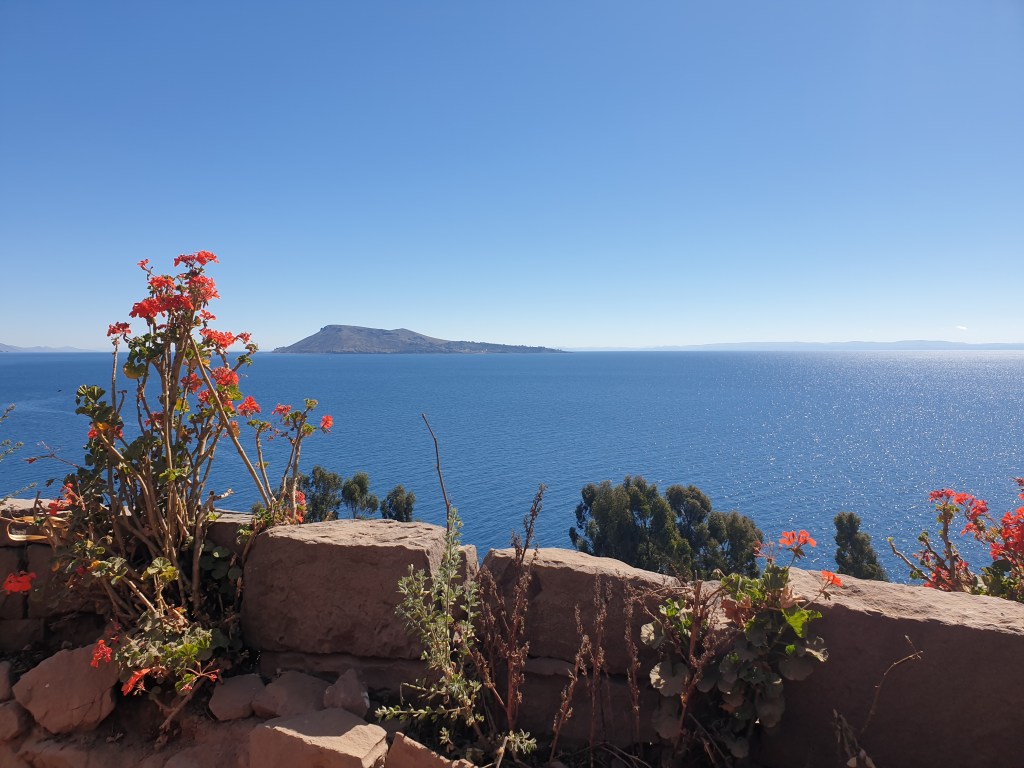
After a brilliant couple of days taking in the beautiful natural sights of lake, along with the depth of history and tradition it holds, I was excited to be zipping it back towards the mainland knowing Bolivia awaited us!
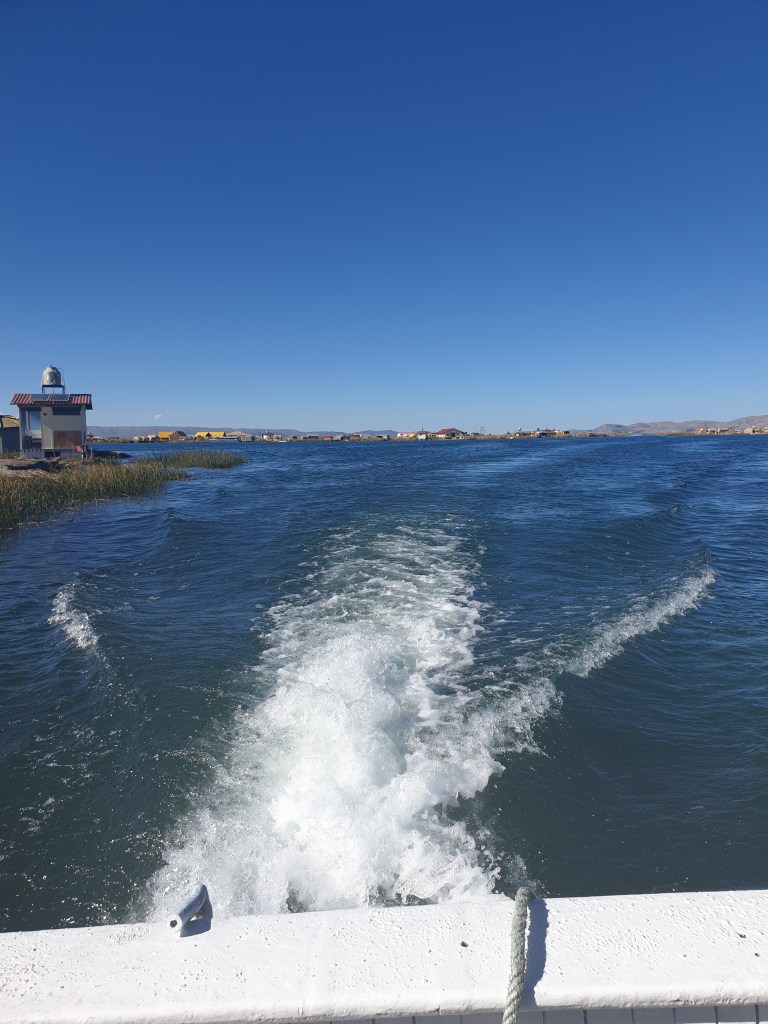
I’ve really enjoyed writing about our adventures across what’s without a doubt my favourite country in the world. To me Peru has absolutely everything you could want as a traveller… one of the widest range’s of landscapes you can find in a single country. Going from high altitude lakes to humid jungles; from icy mountains to the driest desert in the world. Combine all that with a world wonder, a charming population and all the history you could ask for, and you’ve got a recipe to quench your wanderlust.
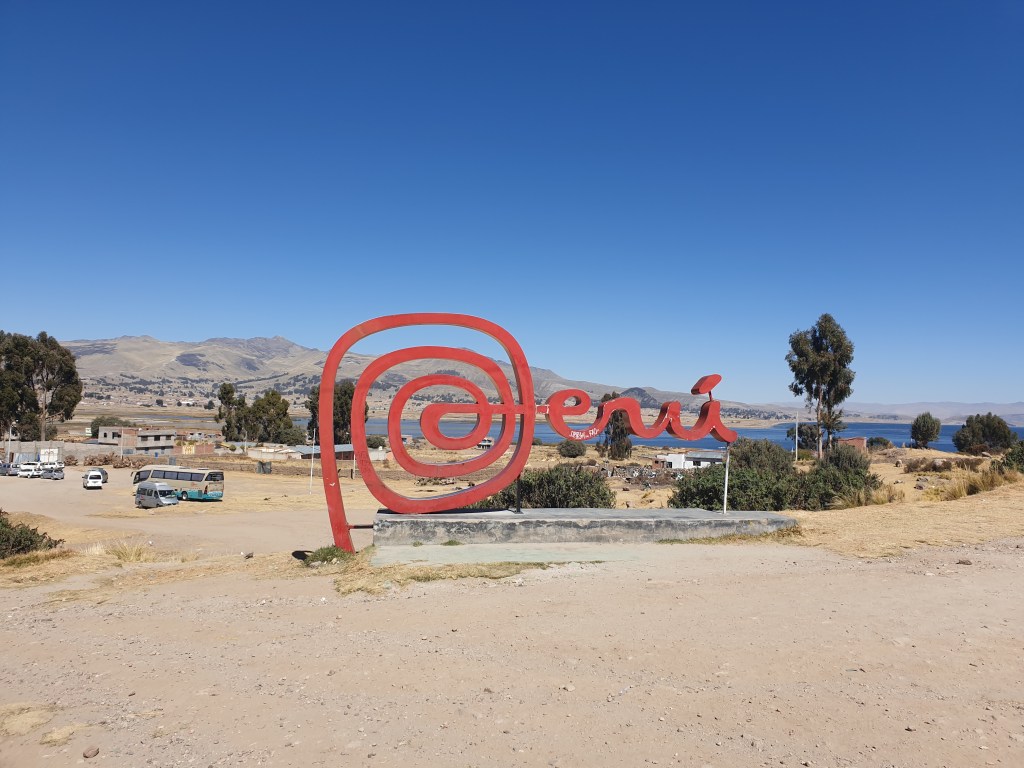
It’s safe to say by this point I was incredibly excited about what the rest of South America had in store for us. We crossed into Bolivia shortly after reaching the mainland, so do check back in a few days to find out how things didn’t go exactly to plan!
See you on the next one folks 🙂
 A Pocketful of Postcards